About Aswan · عن أسوان
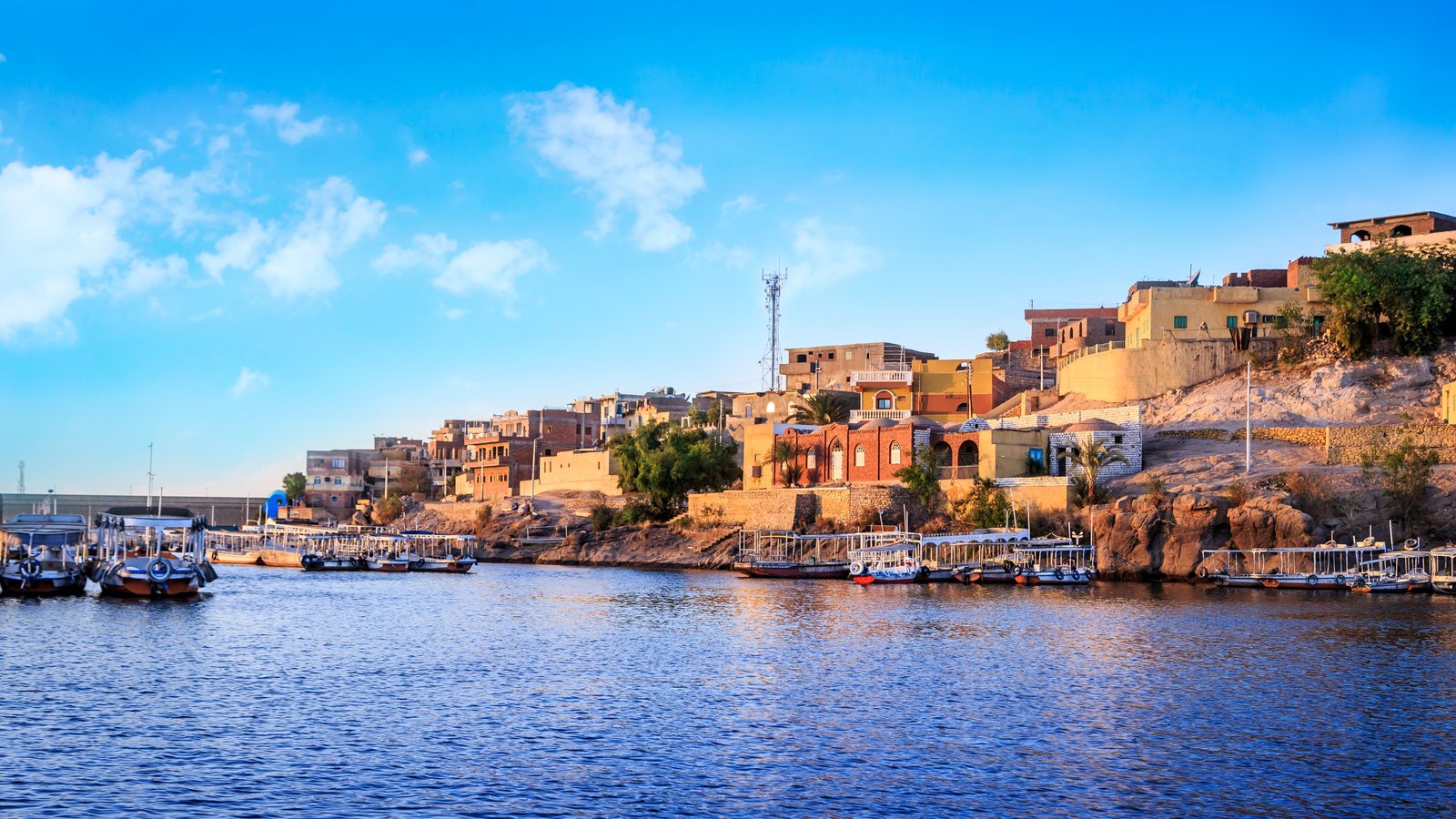
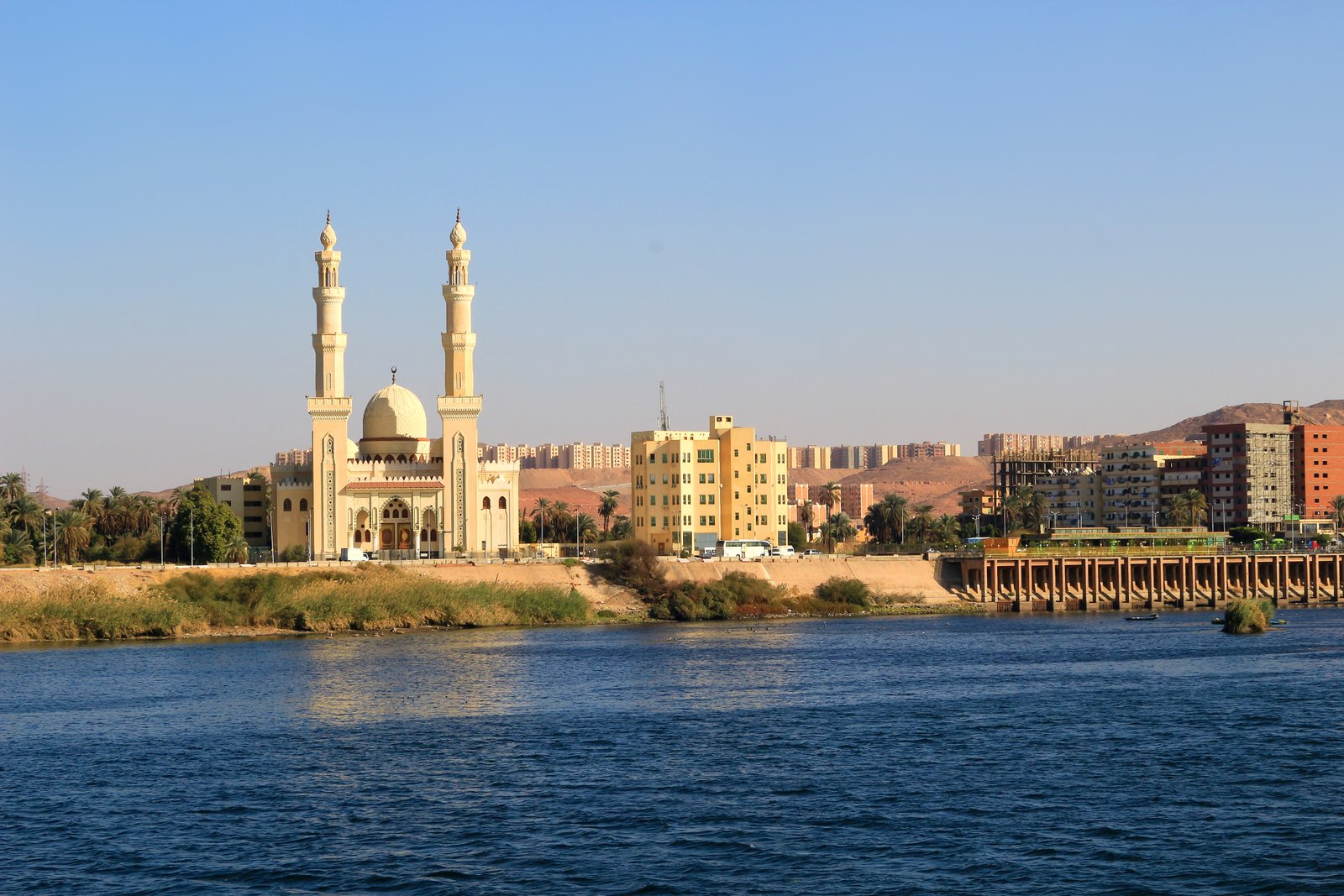
Aswan is Egypt's southernmost city, set on the most beautiful stretch of the Nile. Known in antiquity as Swenett, it was the country's frontier town and gateway to Nubia and the rest of Africa — and the source of the red granite that built temples and colossi up and down the Nile.
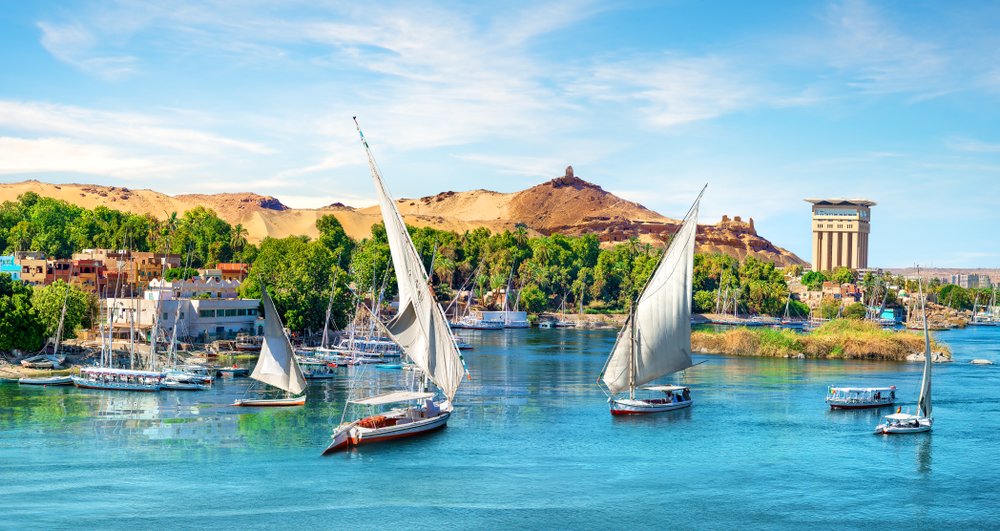
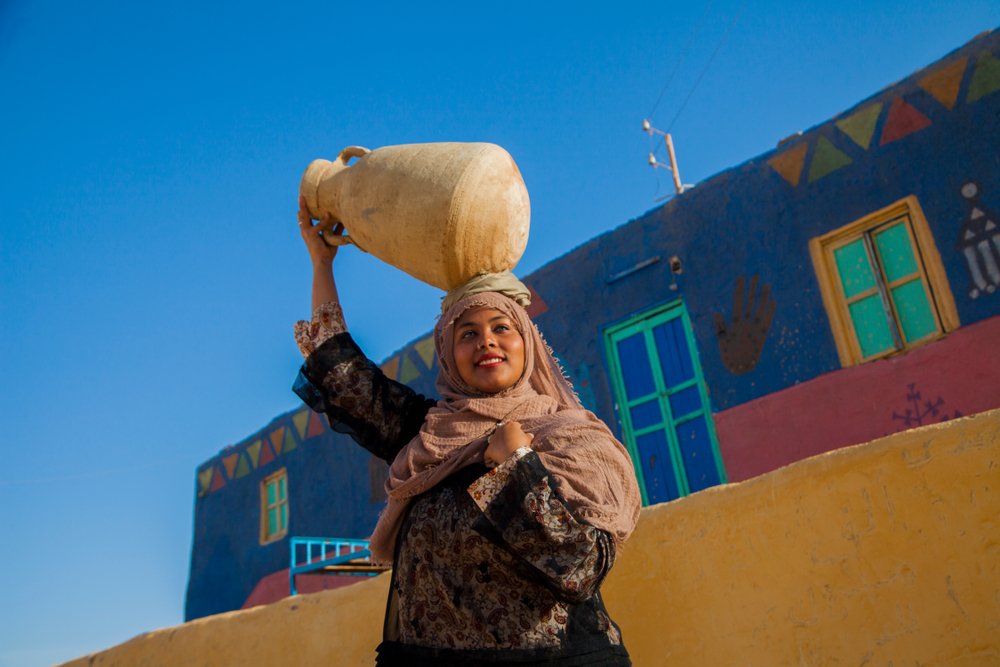
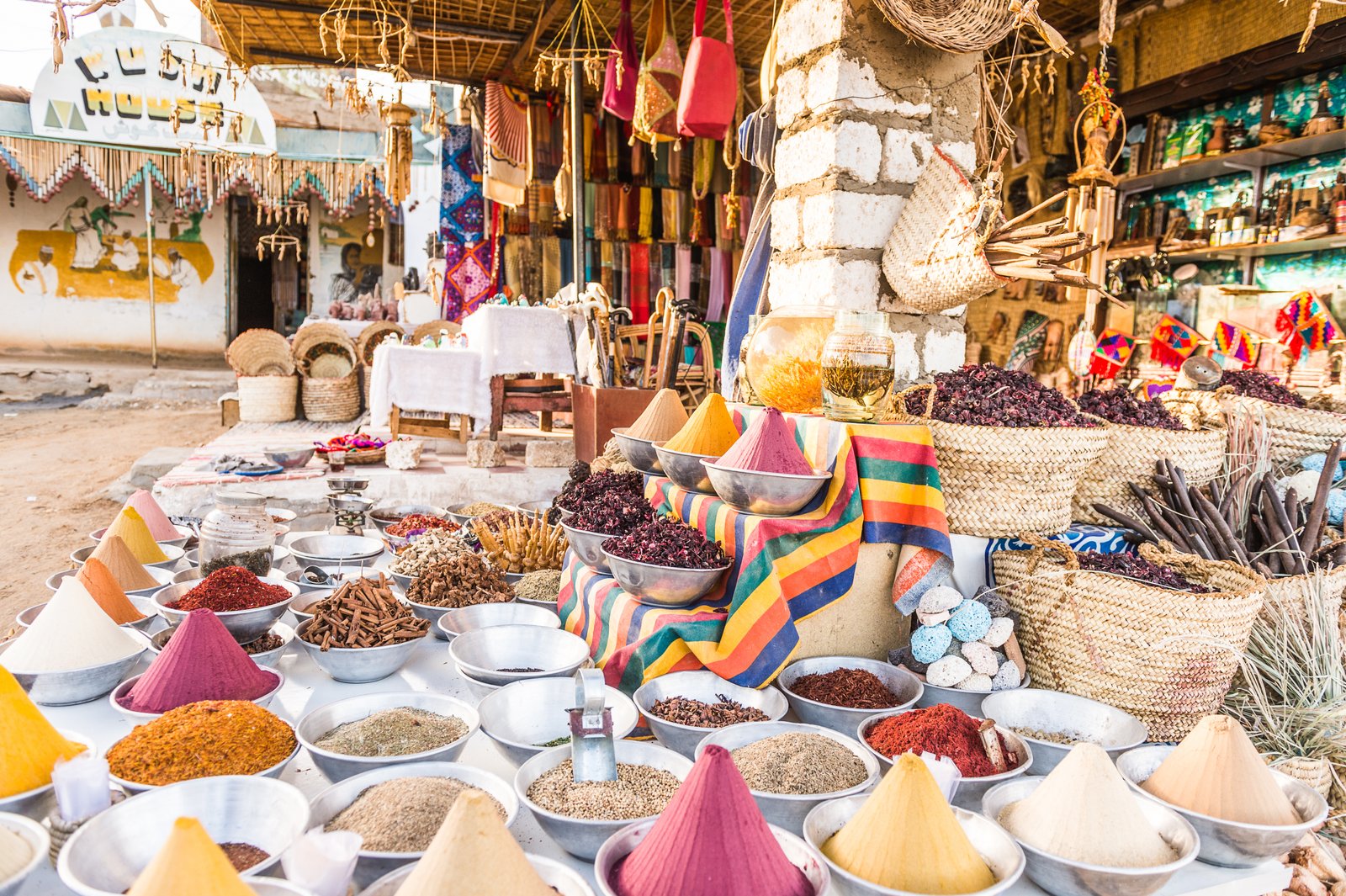
Today it is the calmest and most charming of Egypt's great destinations: a place of golden dunes meeting blue water, white-sailed feluccas, colourful Nubian villages, and island temples. Its monuments form part of the UNESCO-listed "Nubian Monuments from Abu Simbel to Philae," inscribed in 1979.
أسوان أقصى مدن مصر جنوبًا، على أجمل امتداد للنيل. عُرفت قديمًا باسم "سونو"، وكانت بوابة مصر إلى النوبة وأفريقيا، ومصدر الجرانيت الأحمر الذي بُنيت منه المعابد والتماثيل. وهي اليوم أهدأ وجهات مصر وأكثرها سحرًا، بكثبانها الذهبية وفلوكاتها البيضاء وقراها النوبية الملونة ومعابدها على الجزر، وآثارها ضمن مواقع التراث العالمي لليونسكو منذ 1979.
معرض الصور
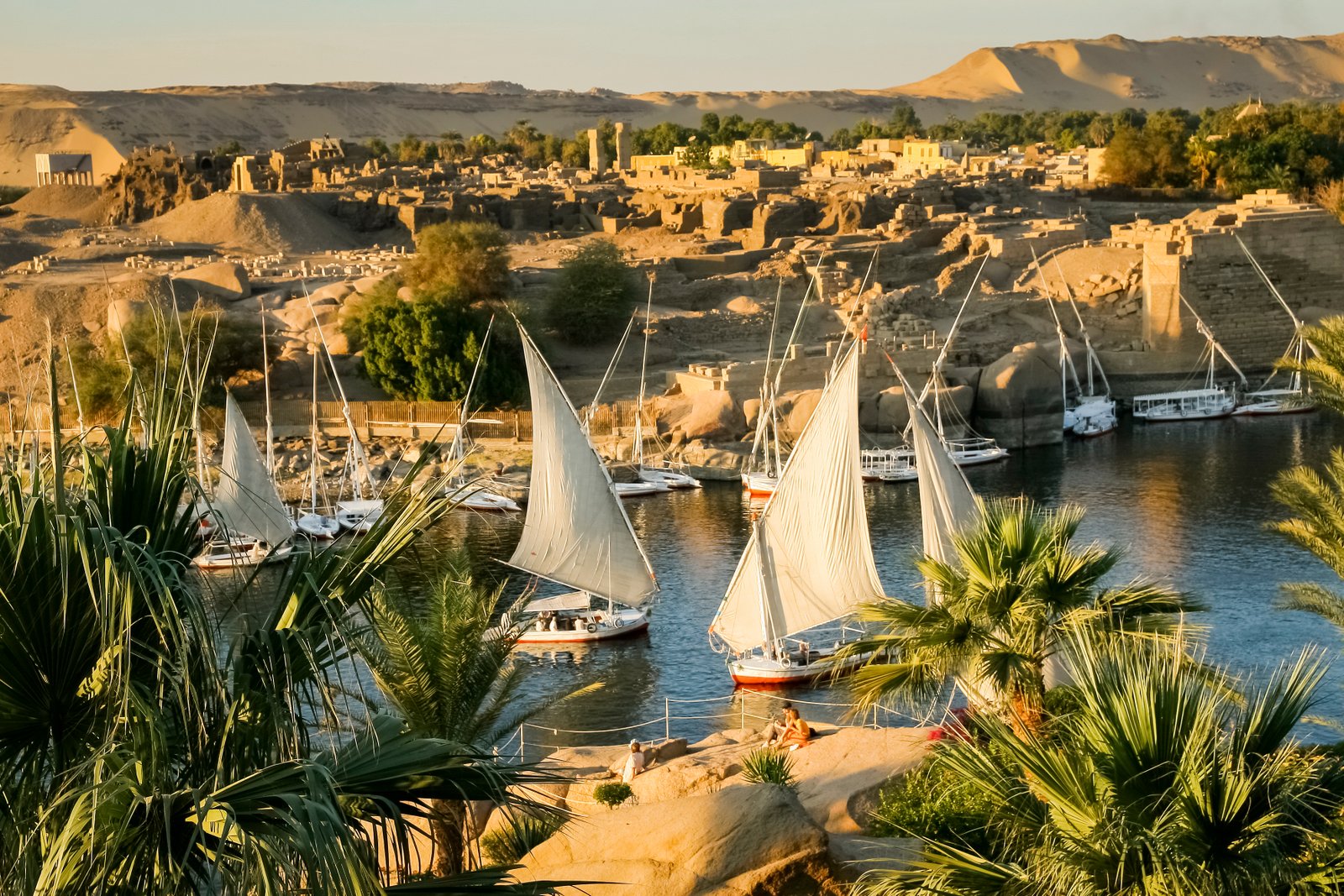
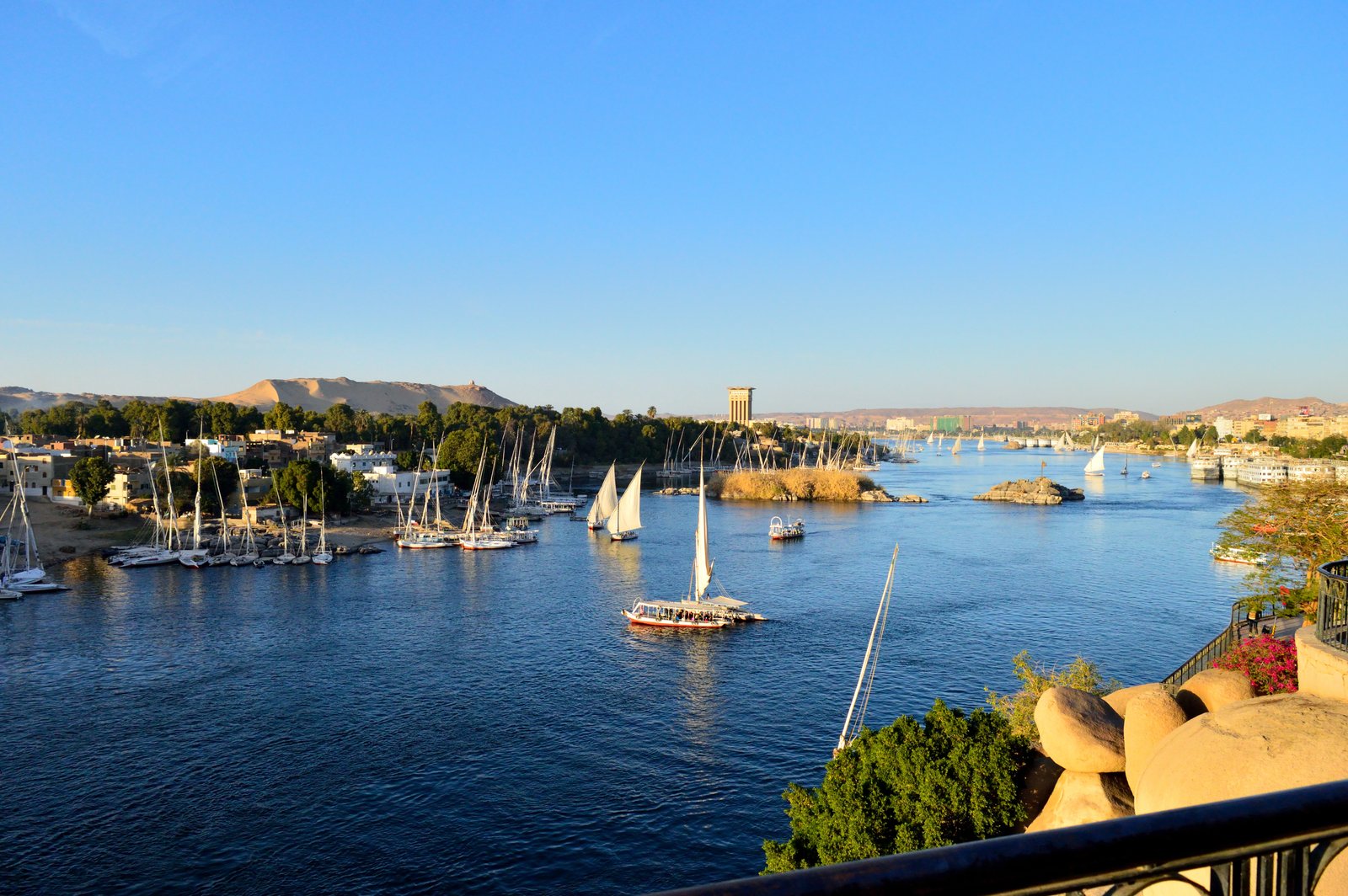
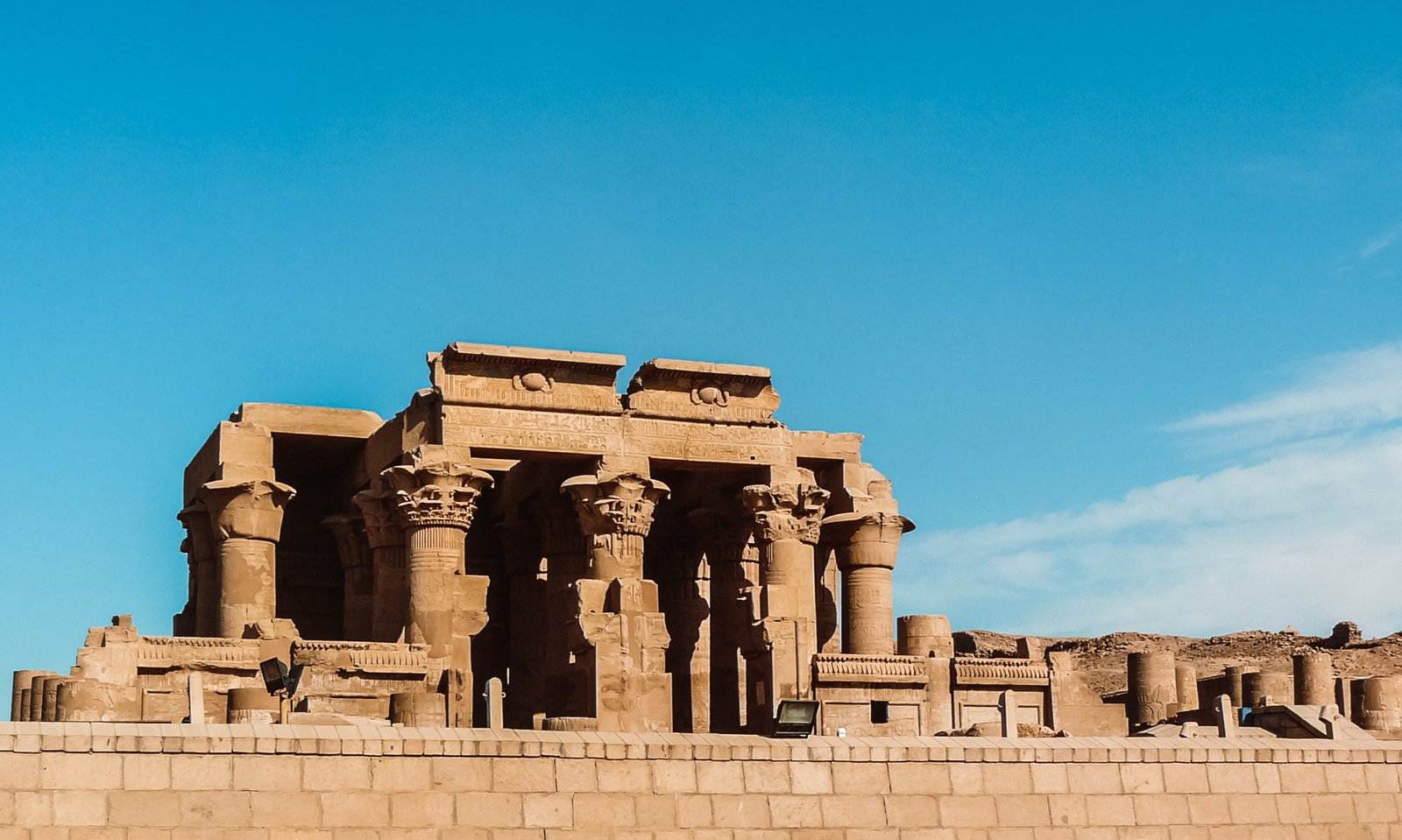
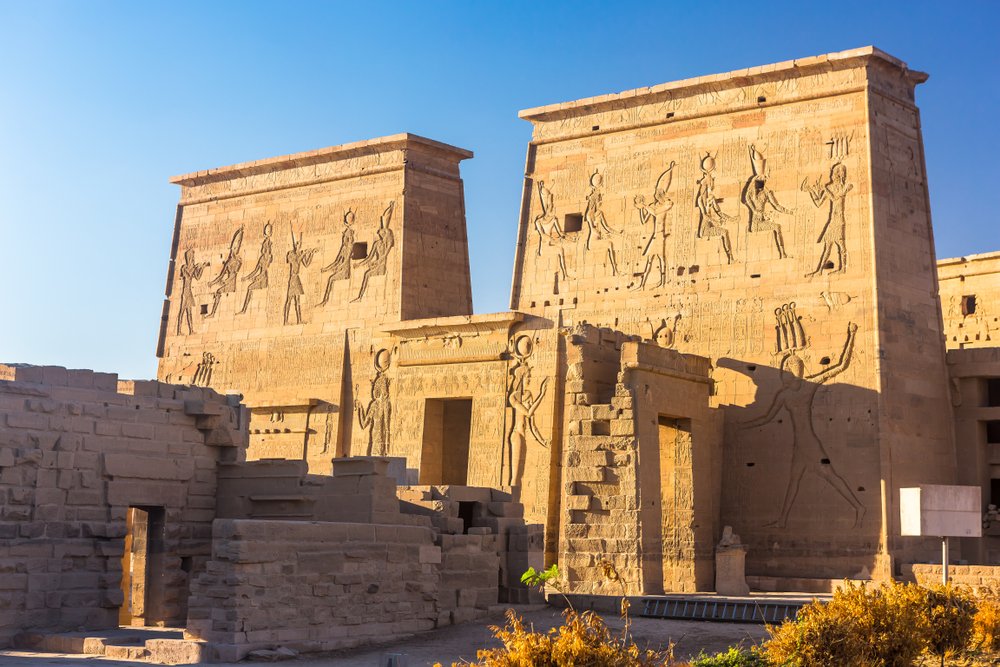
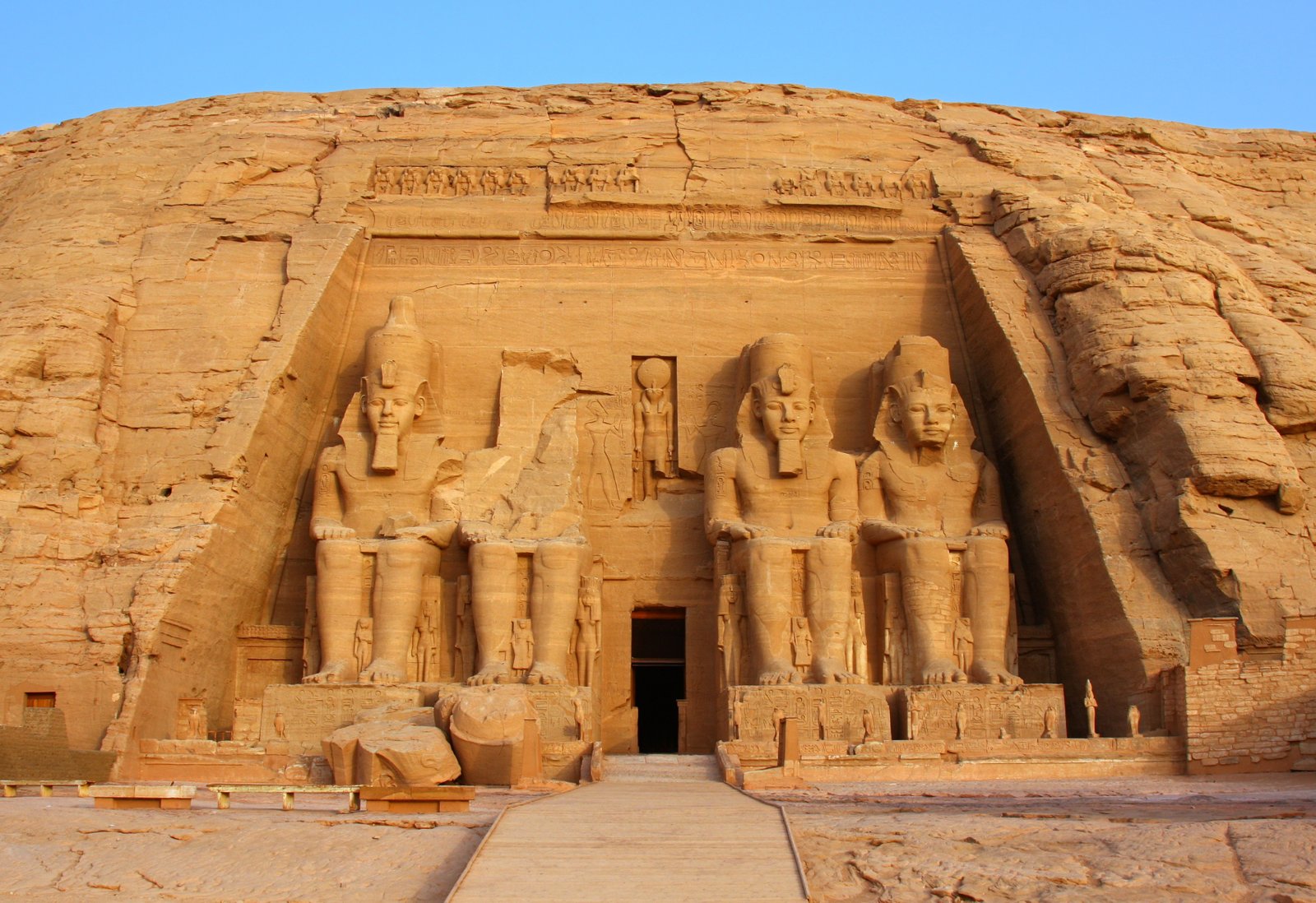
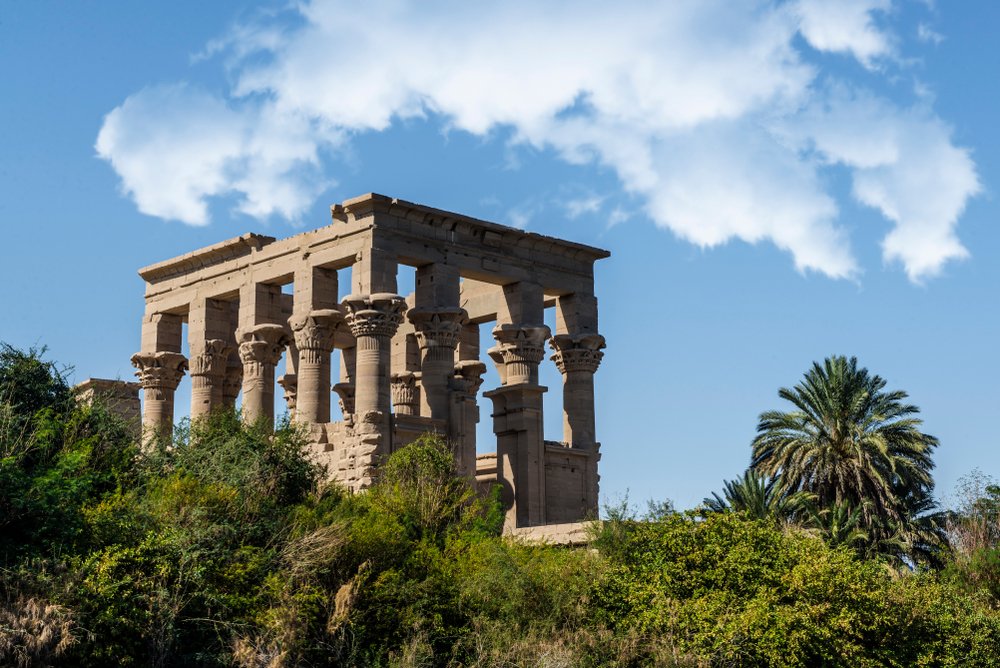
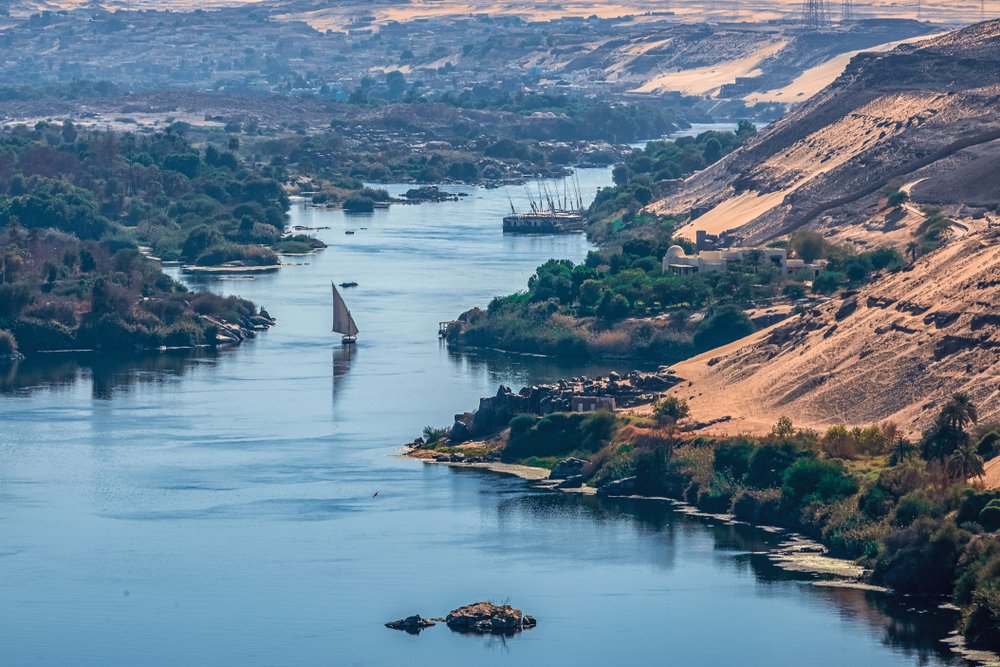
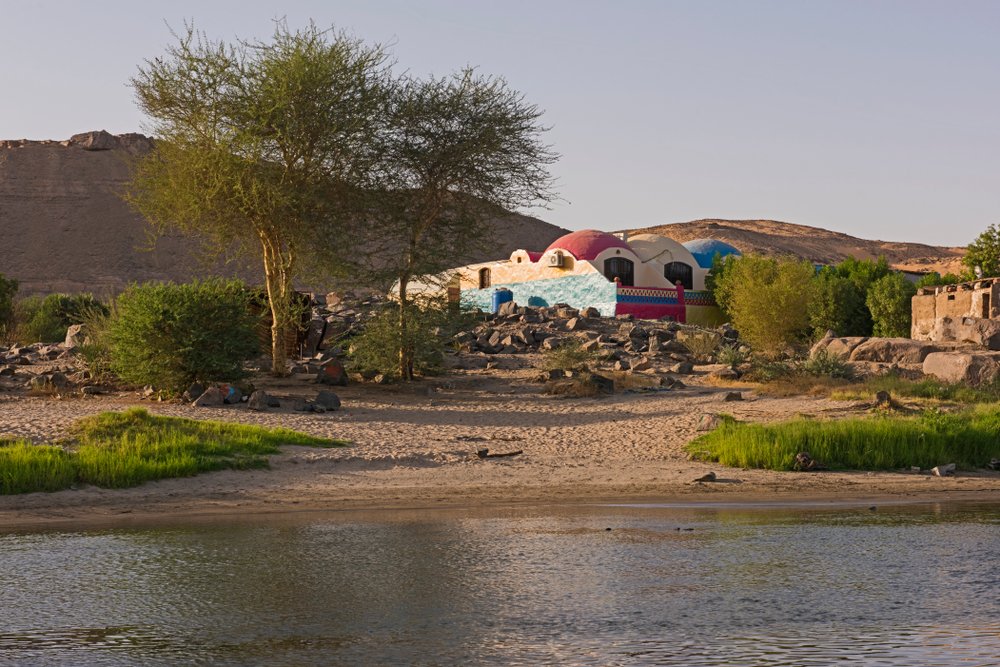
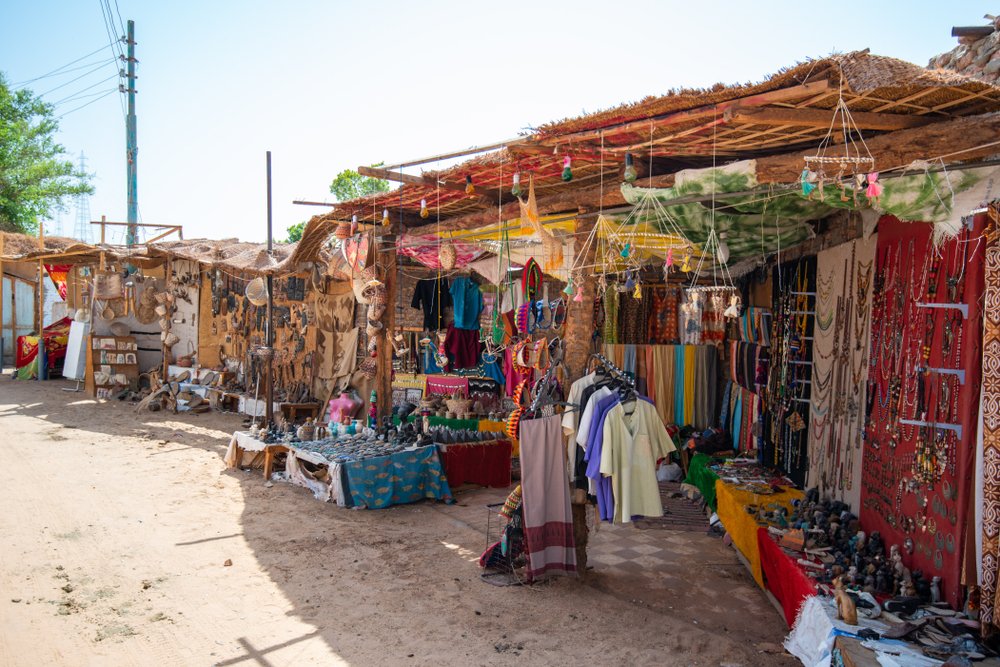
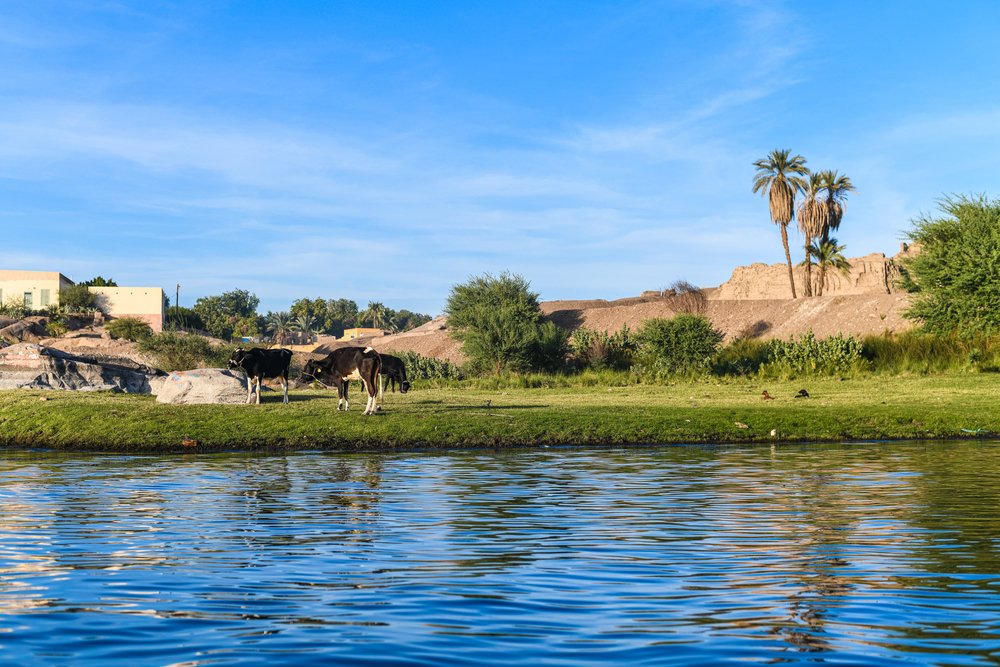
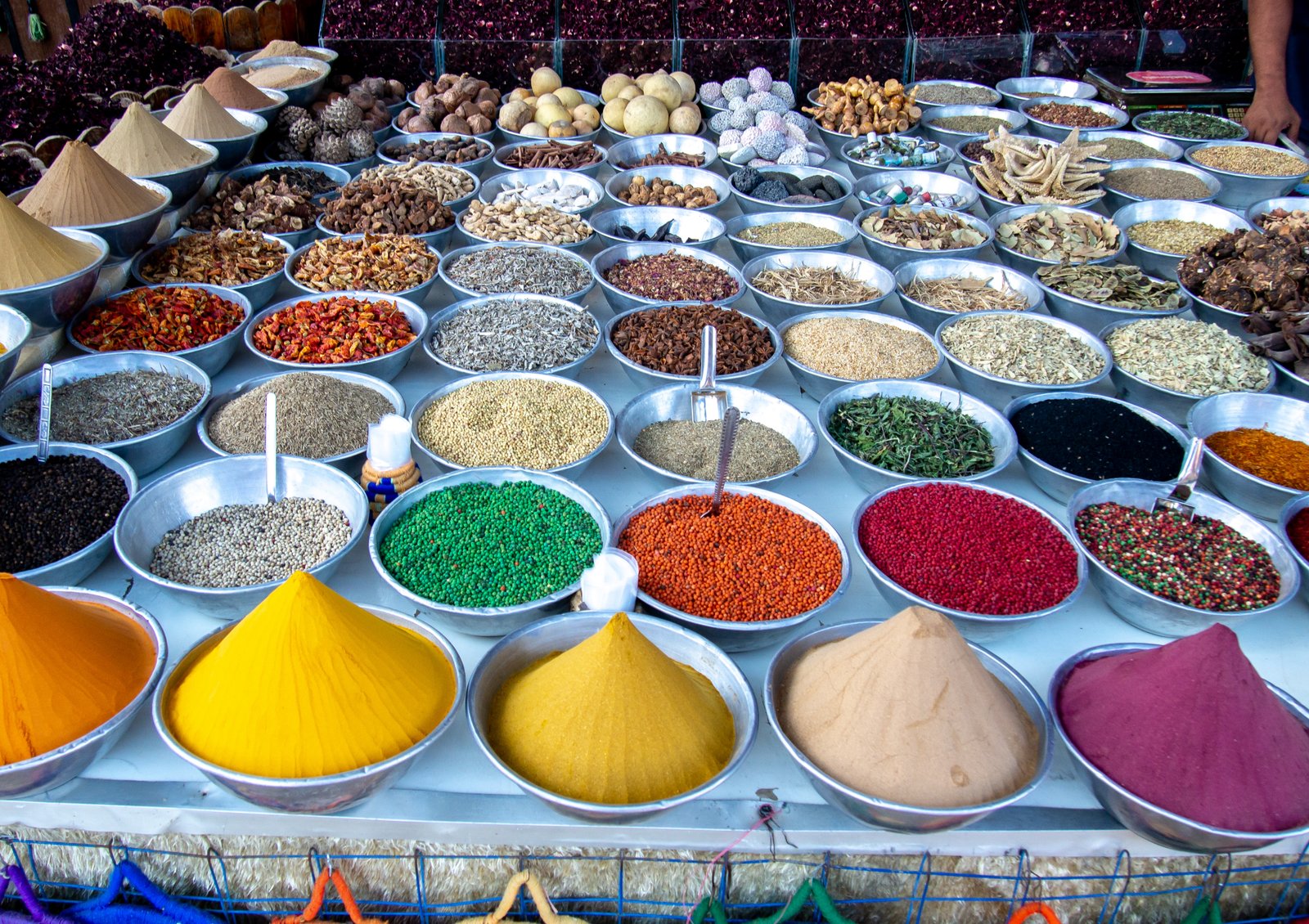
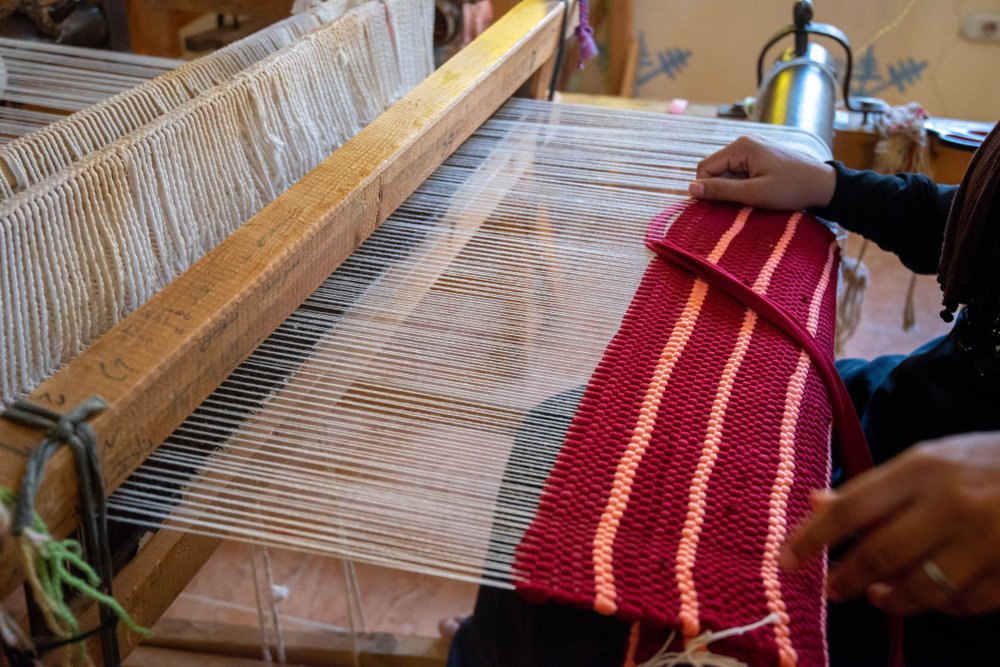
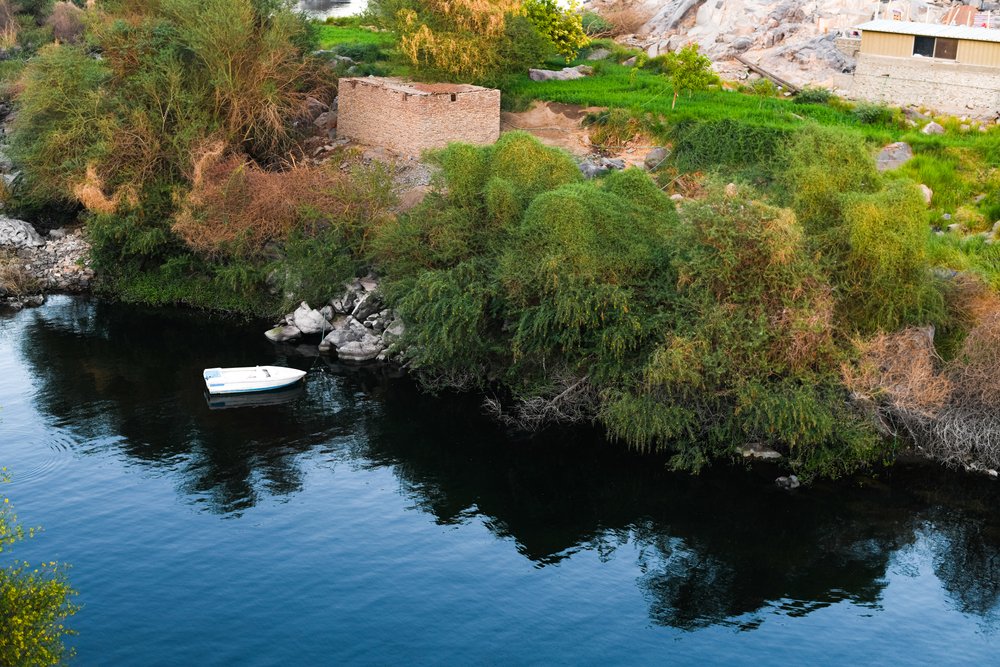
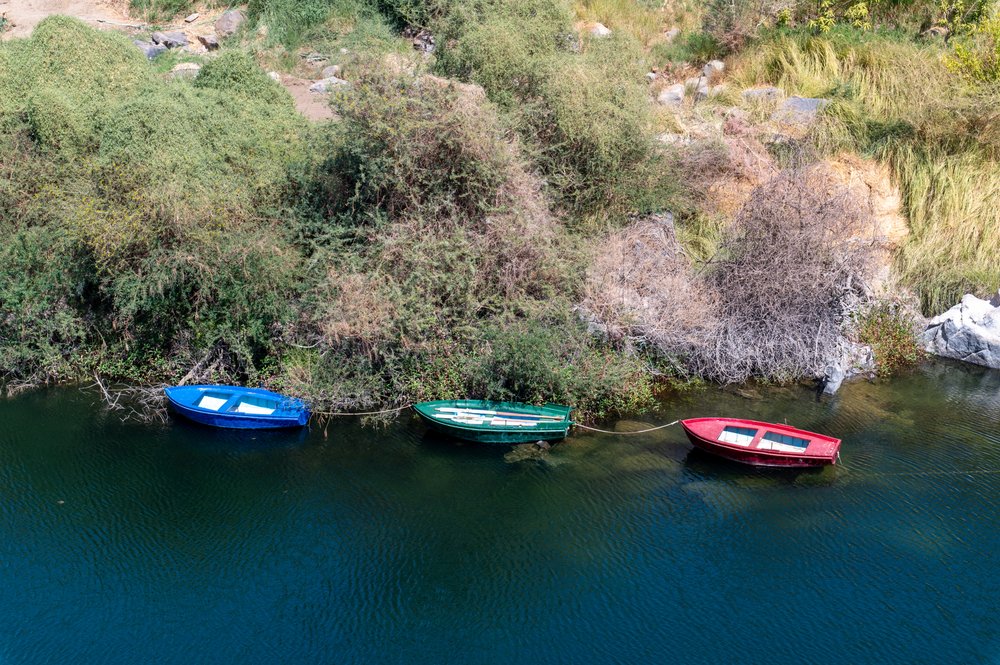
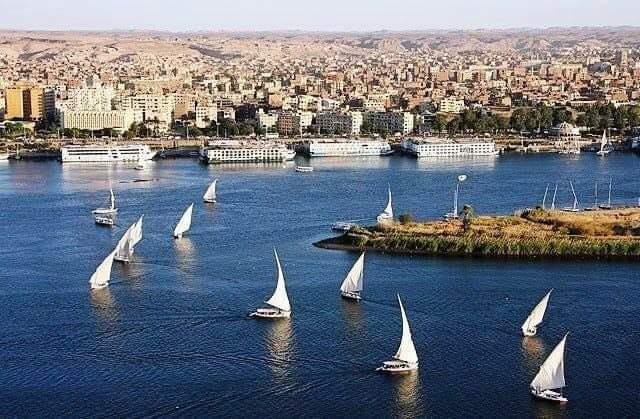
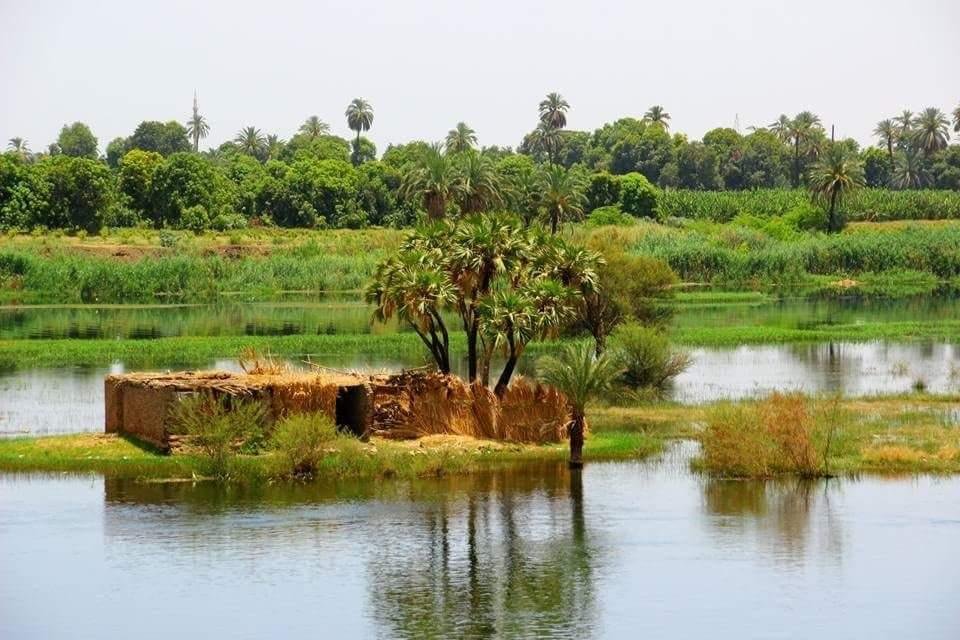
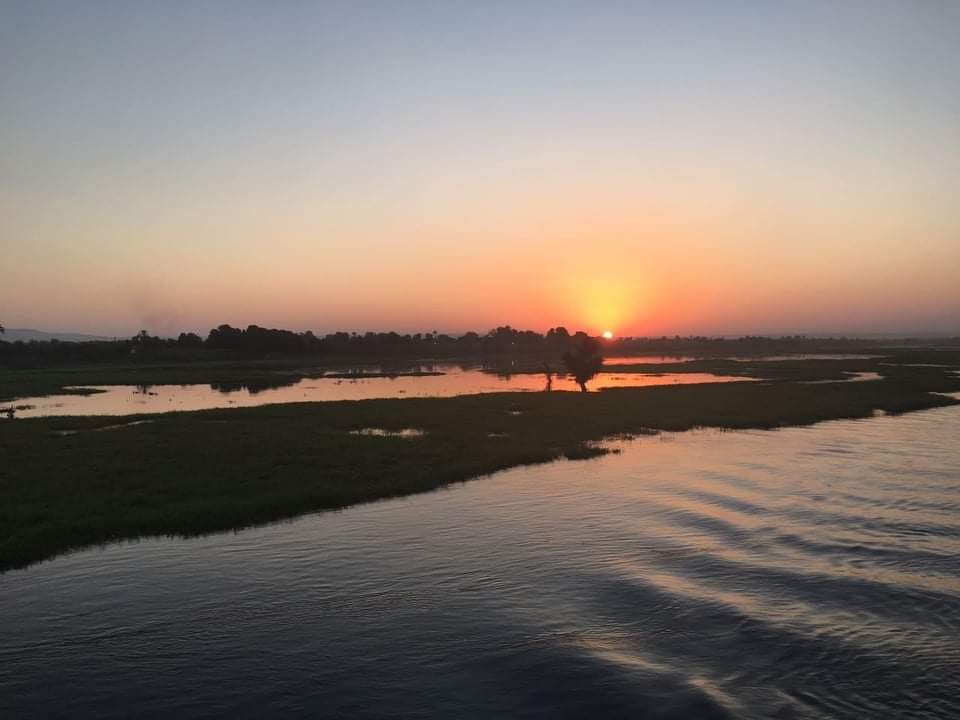
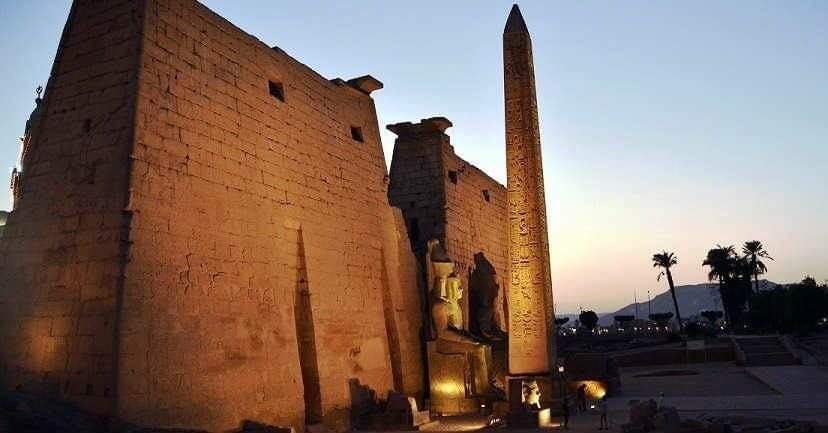
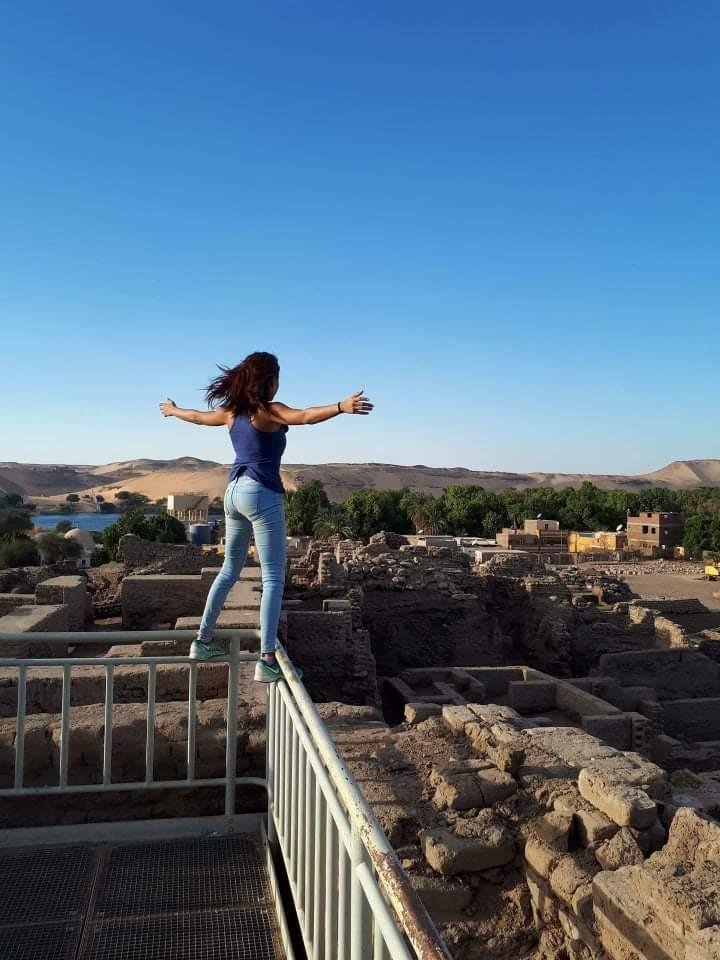
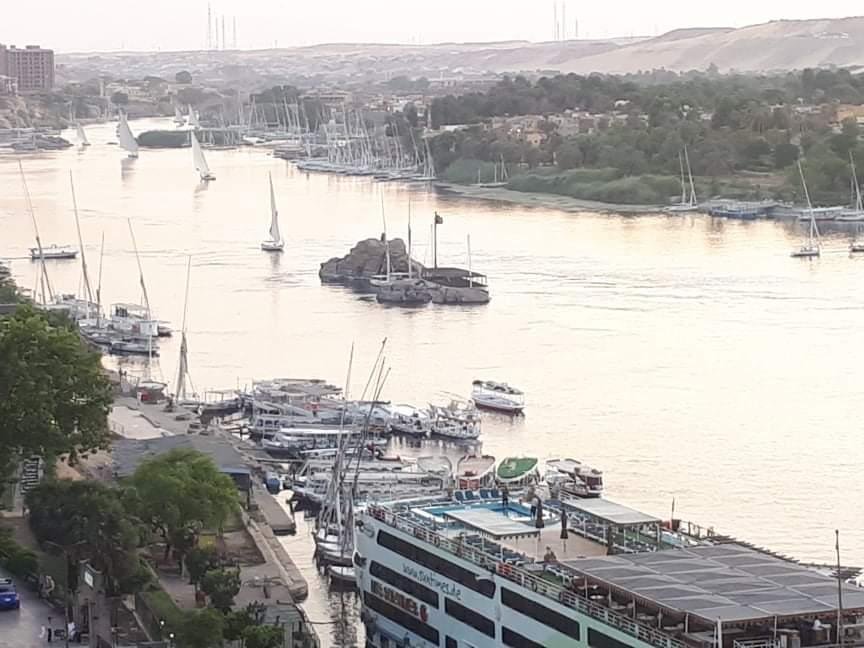
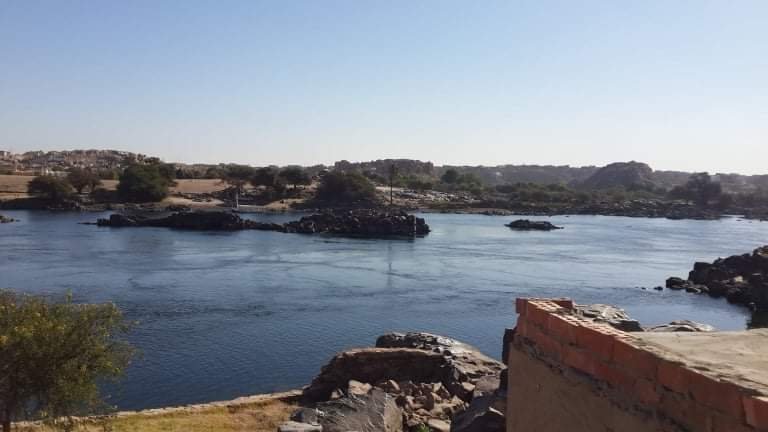
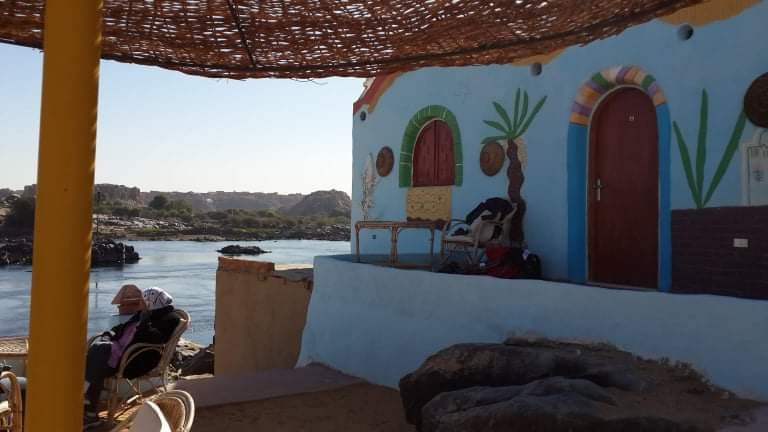
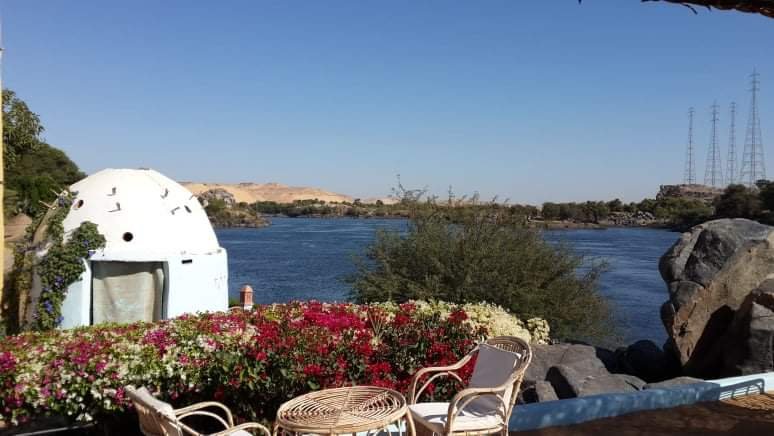
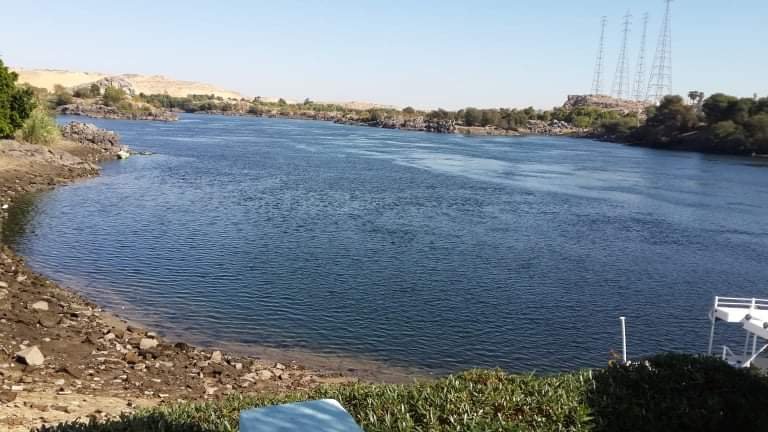
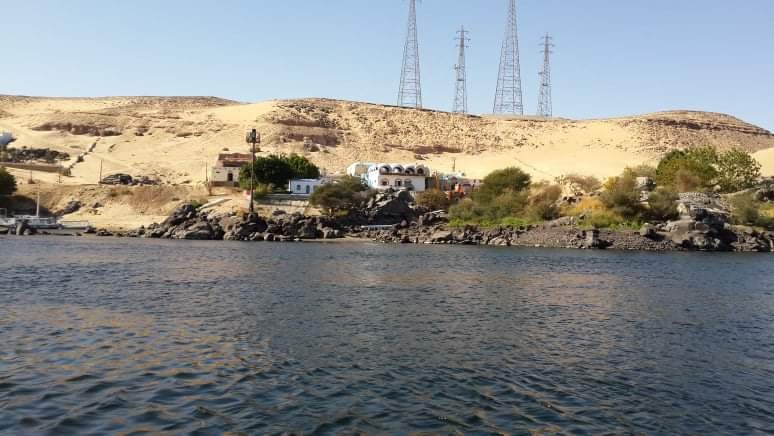
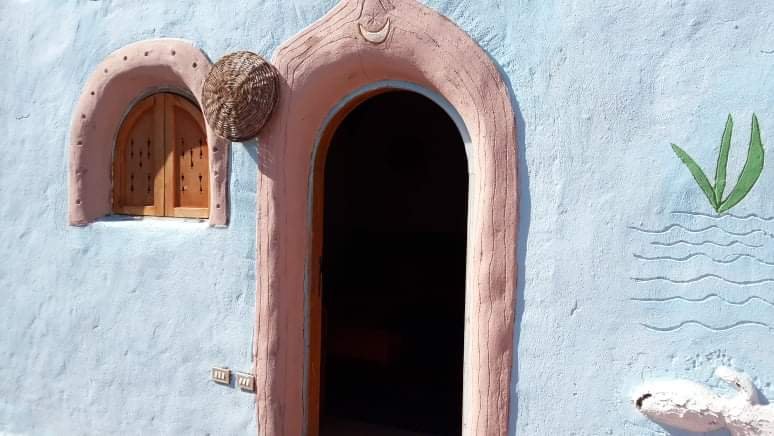
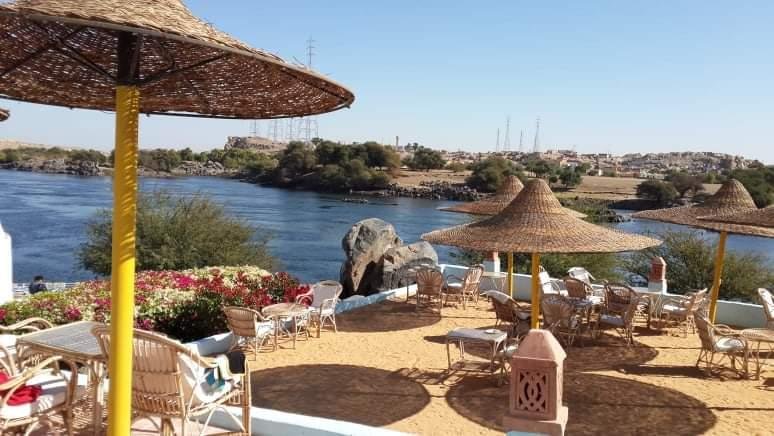
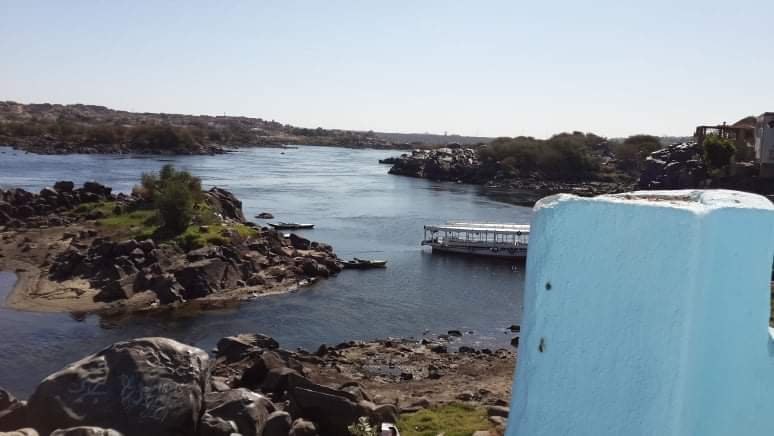
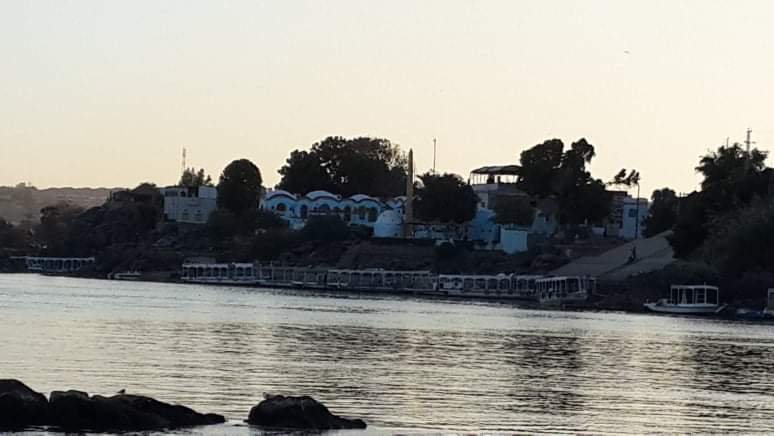
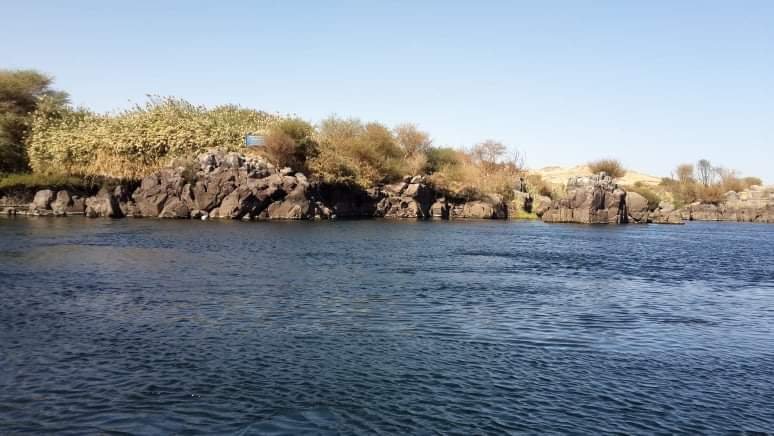
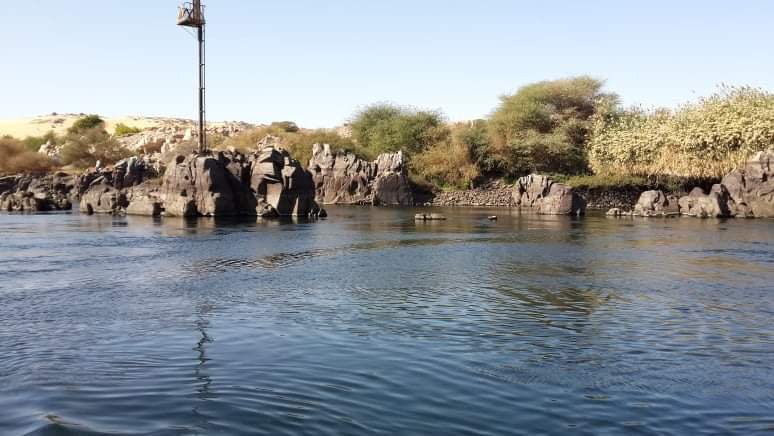
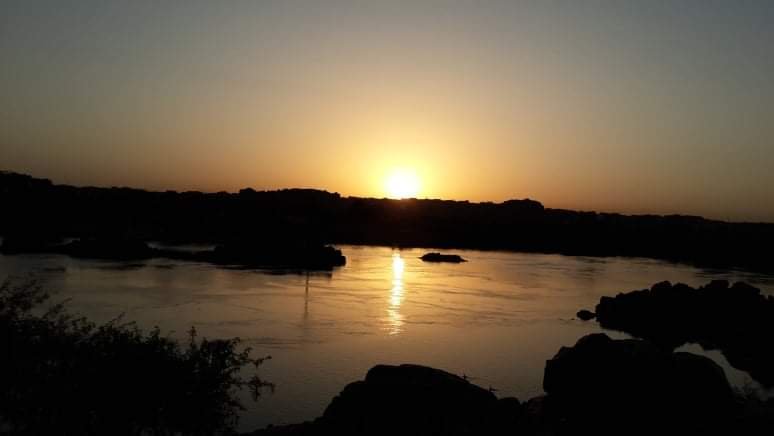
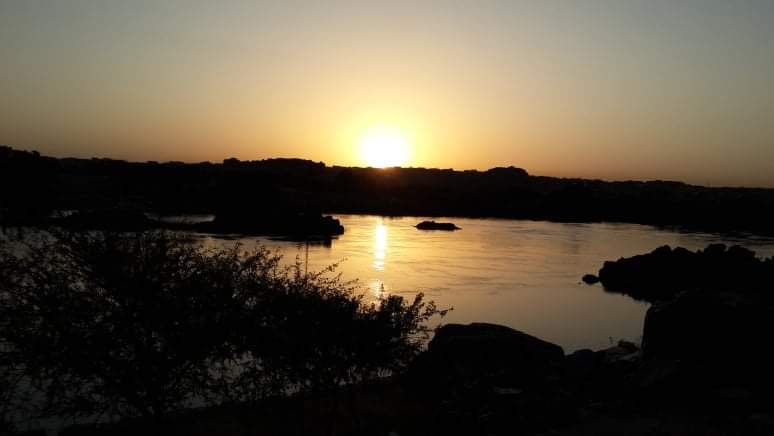
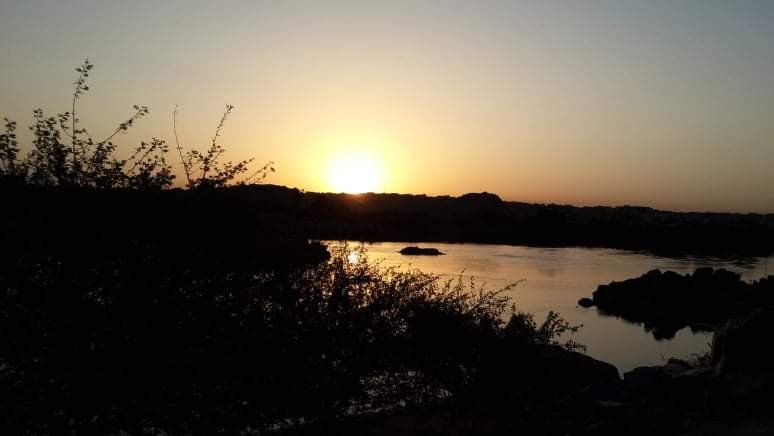
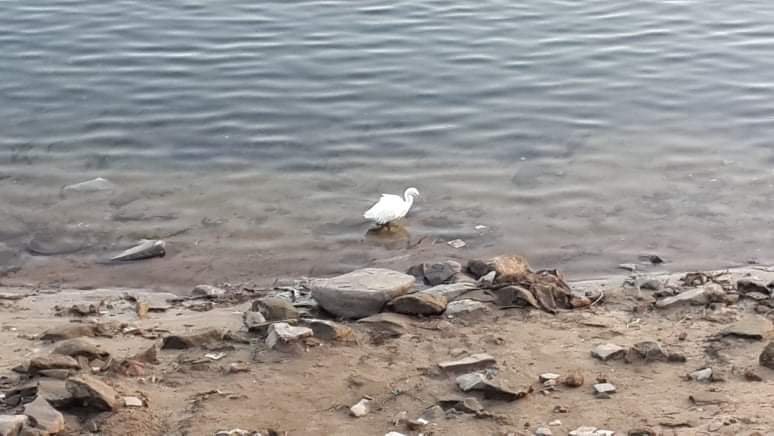
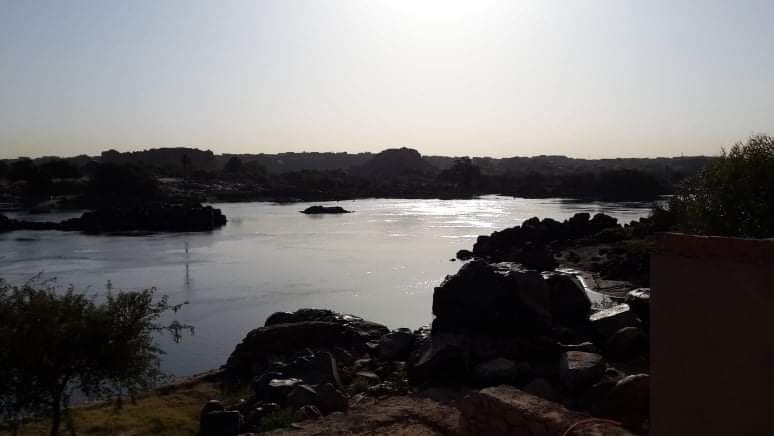
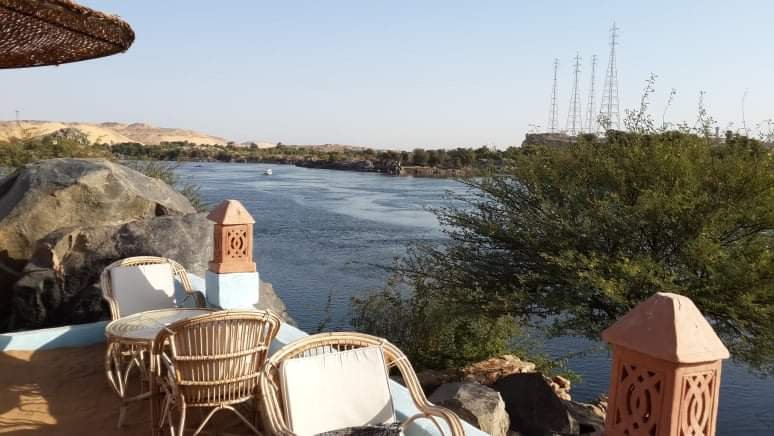
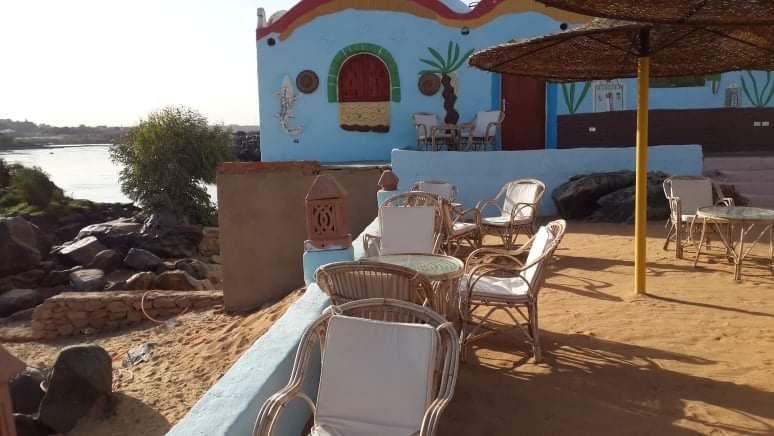
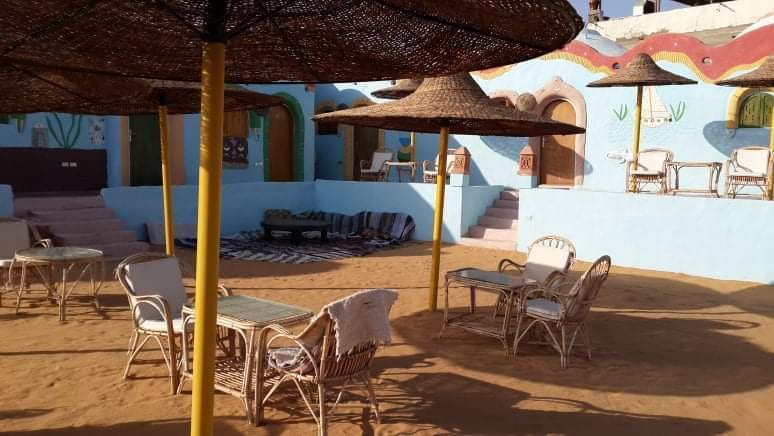
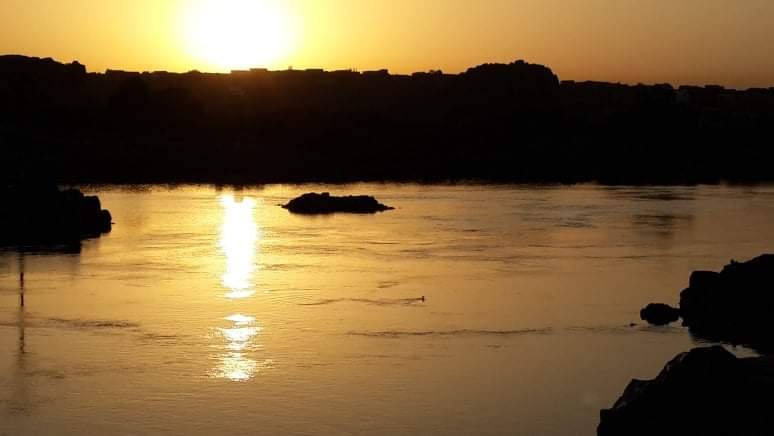
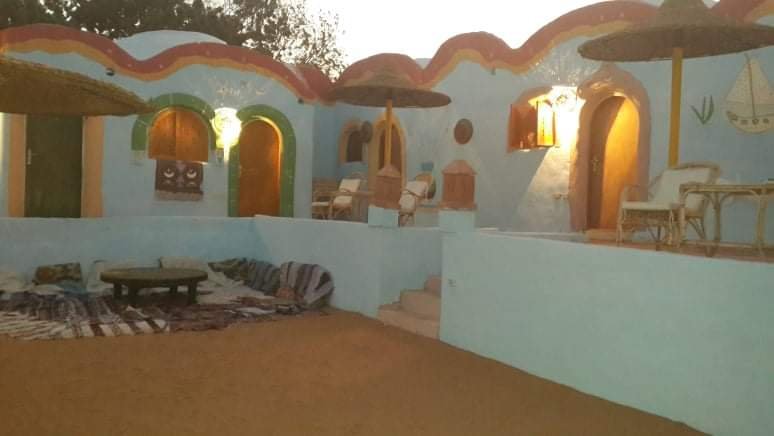
النيل في أهدأ حالاته، بالصور.The Nile at its most tranquil, in photos.

المعابد
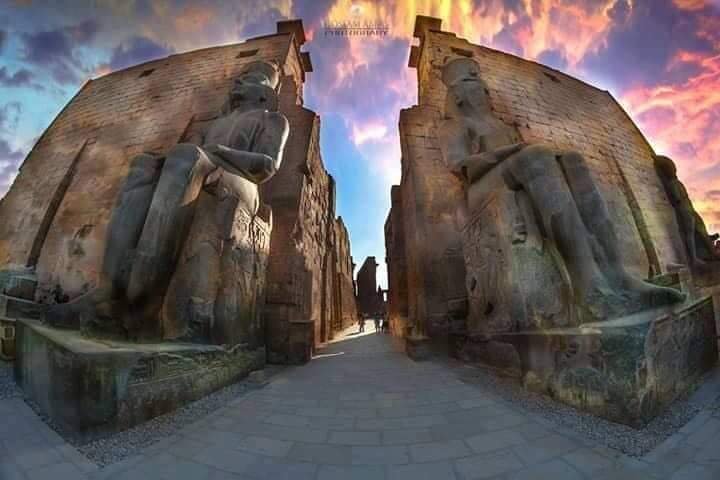
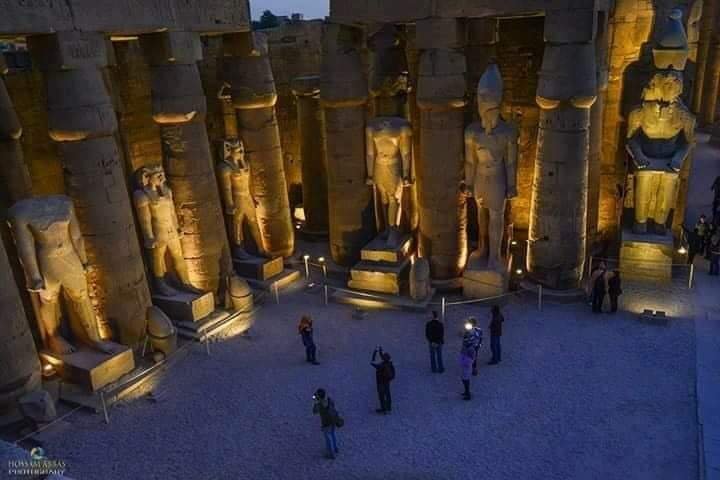
معابد الجنوب — أُنقذ بعضها حجرًا حجرًا من مياه بحيرة ناصر.The southern temples — some rescued block by block from the rising waters of Lake Nasser.
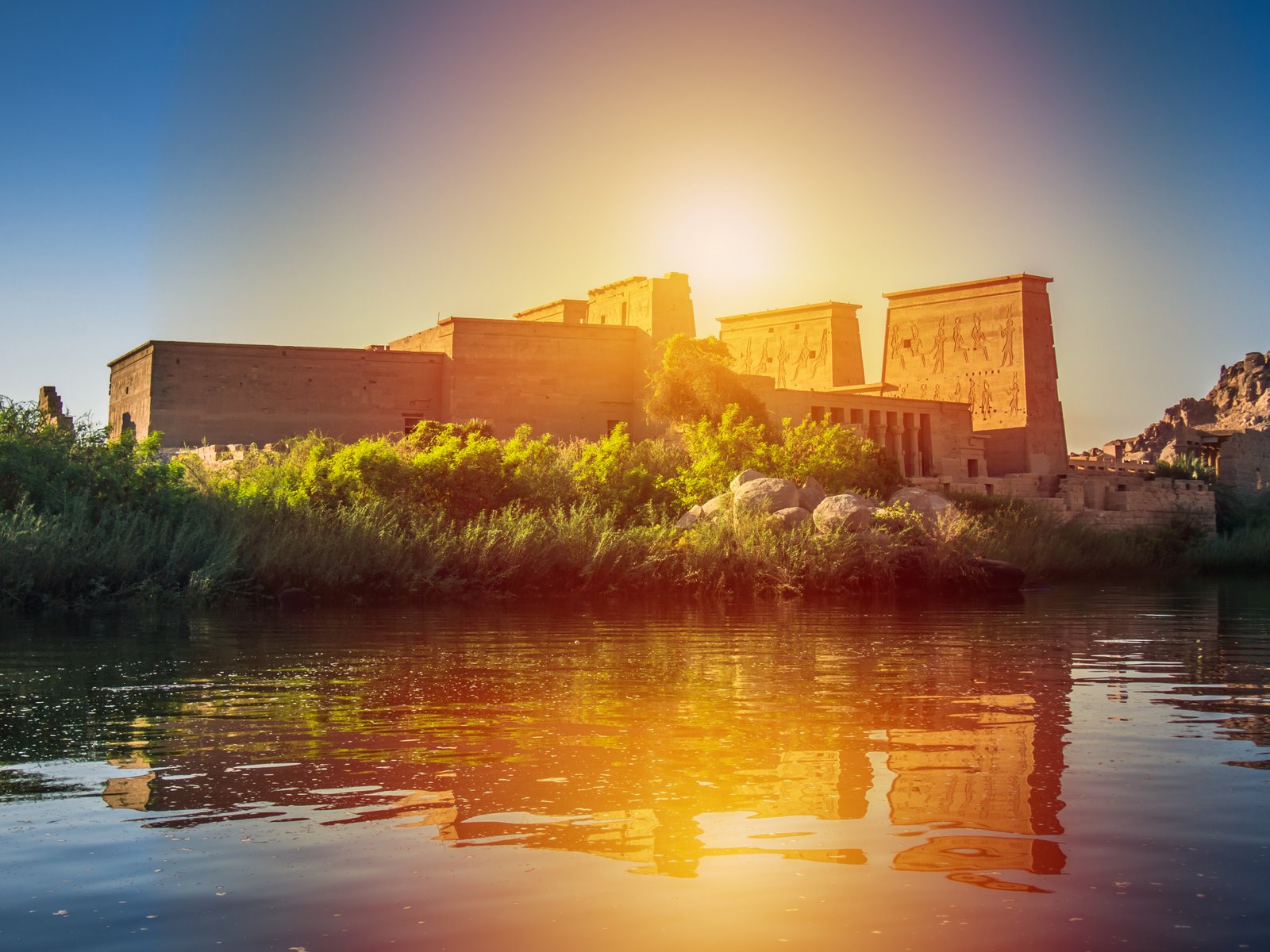
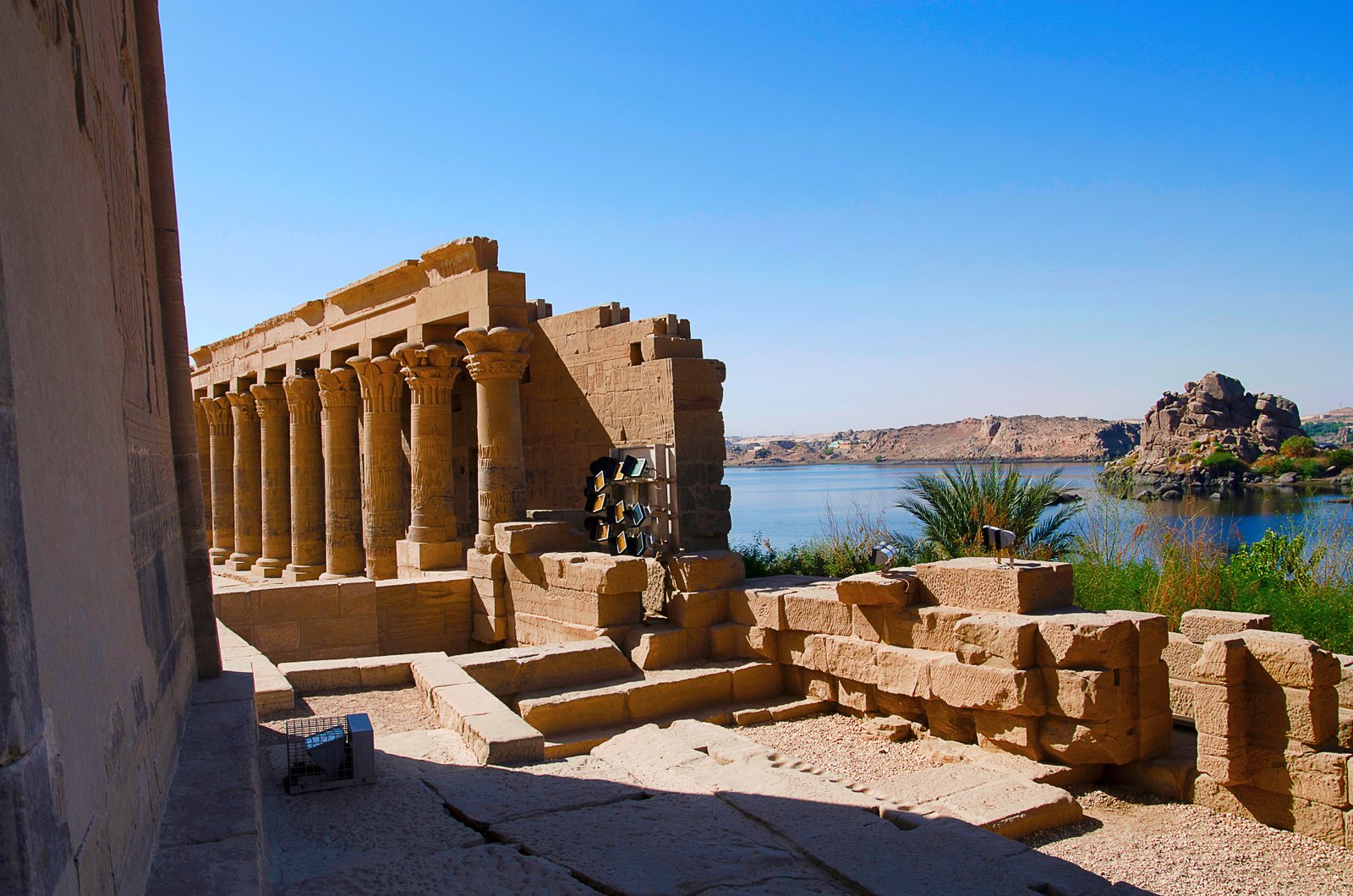
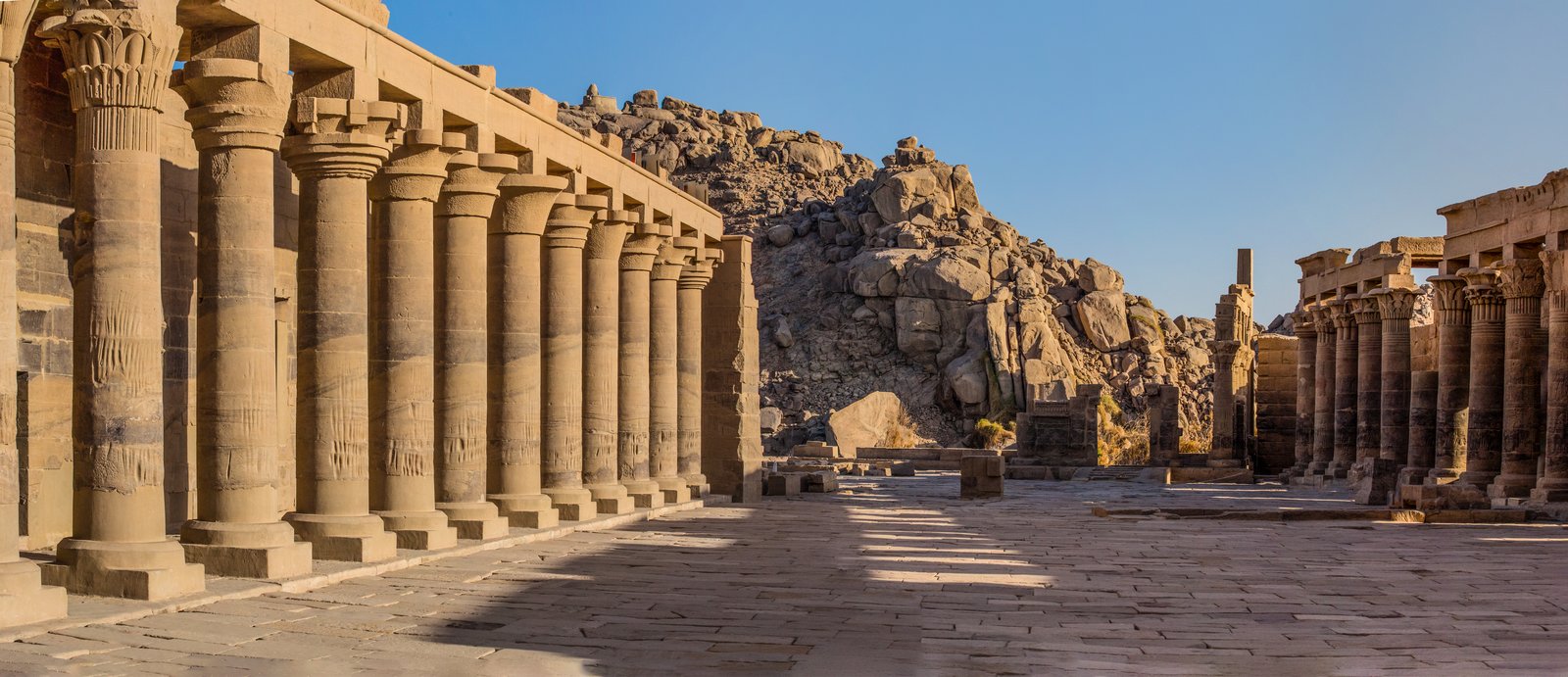
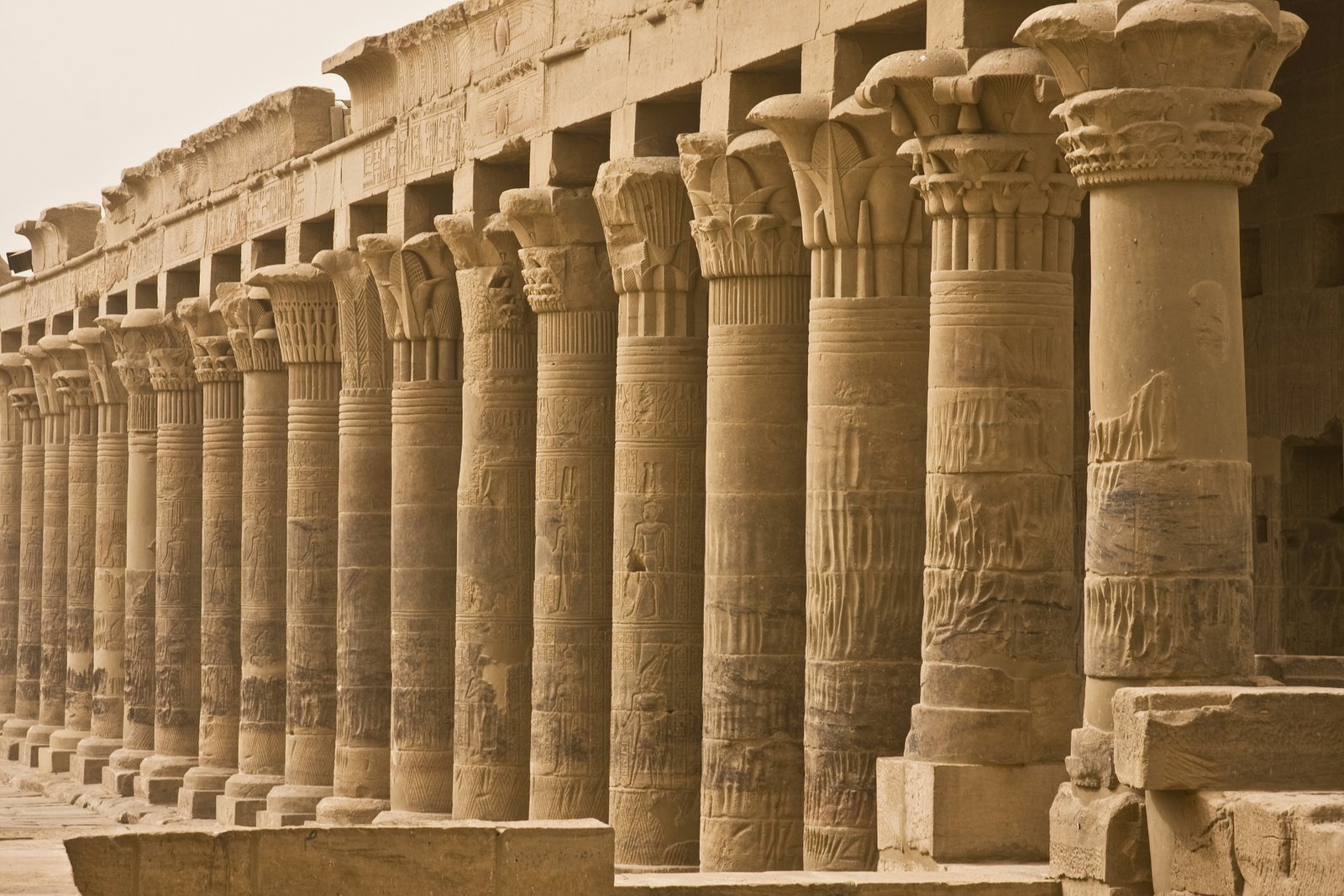
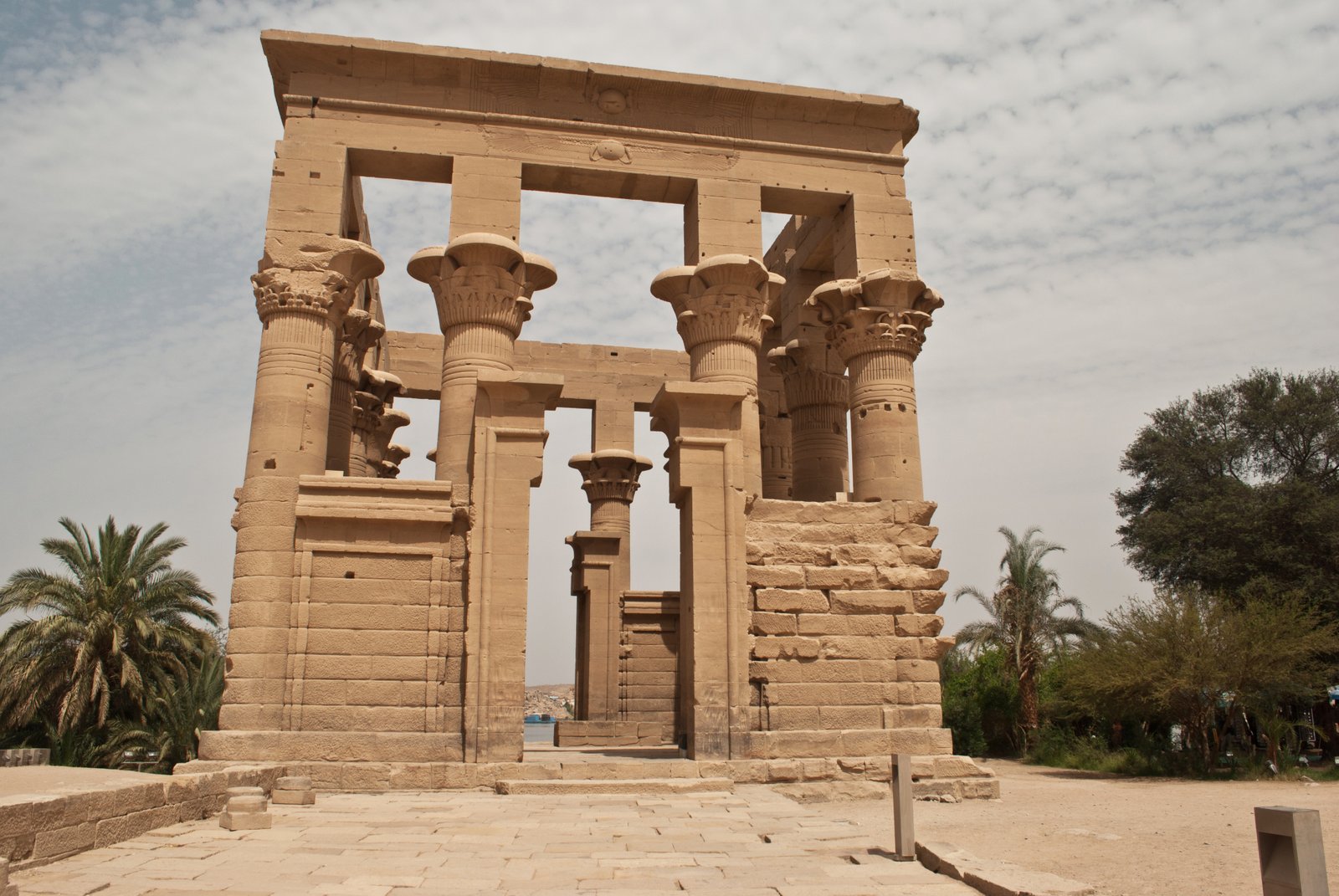
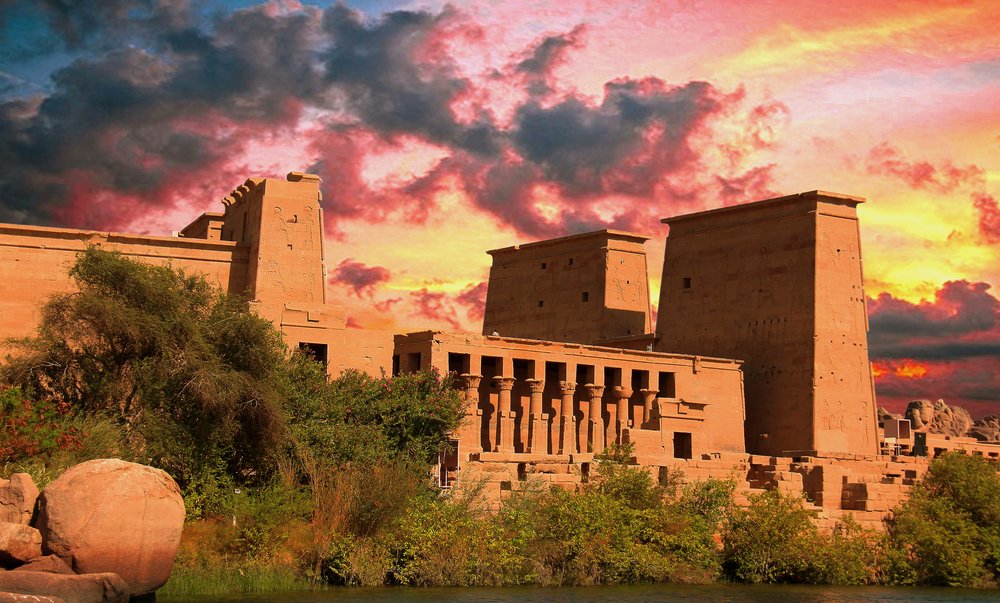
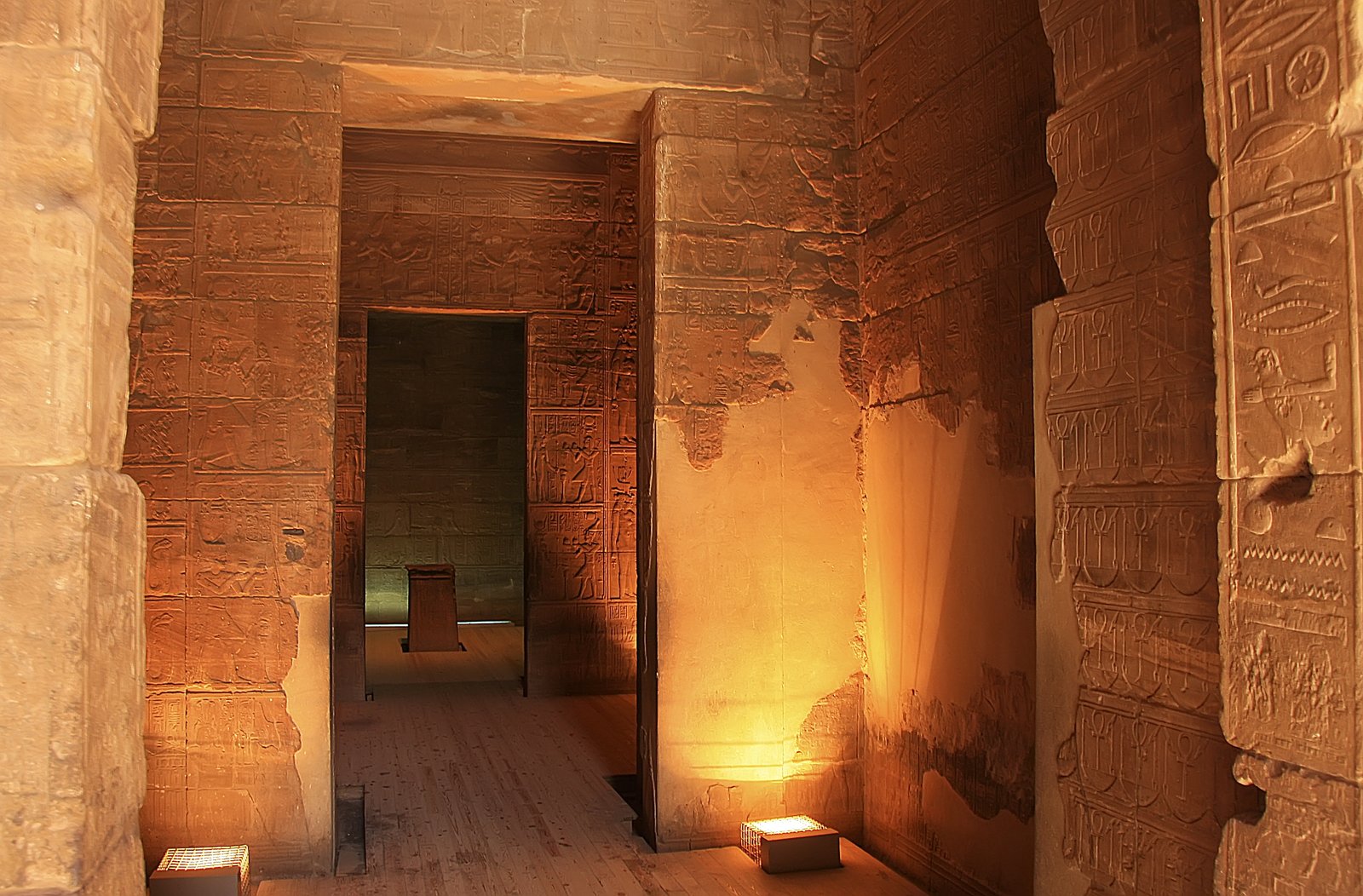
The island temple of Isis, moved to Agilkia Island to save it from the rising Nile. →
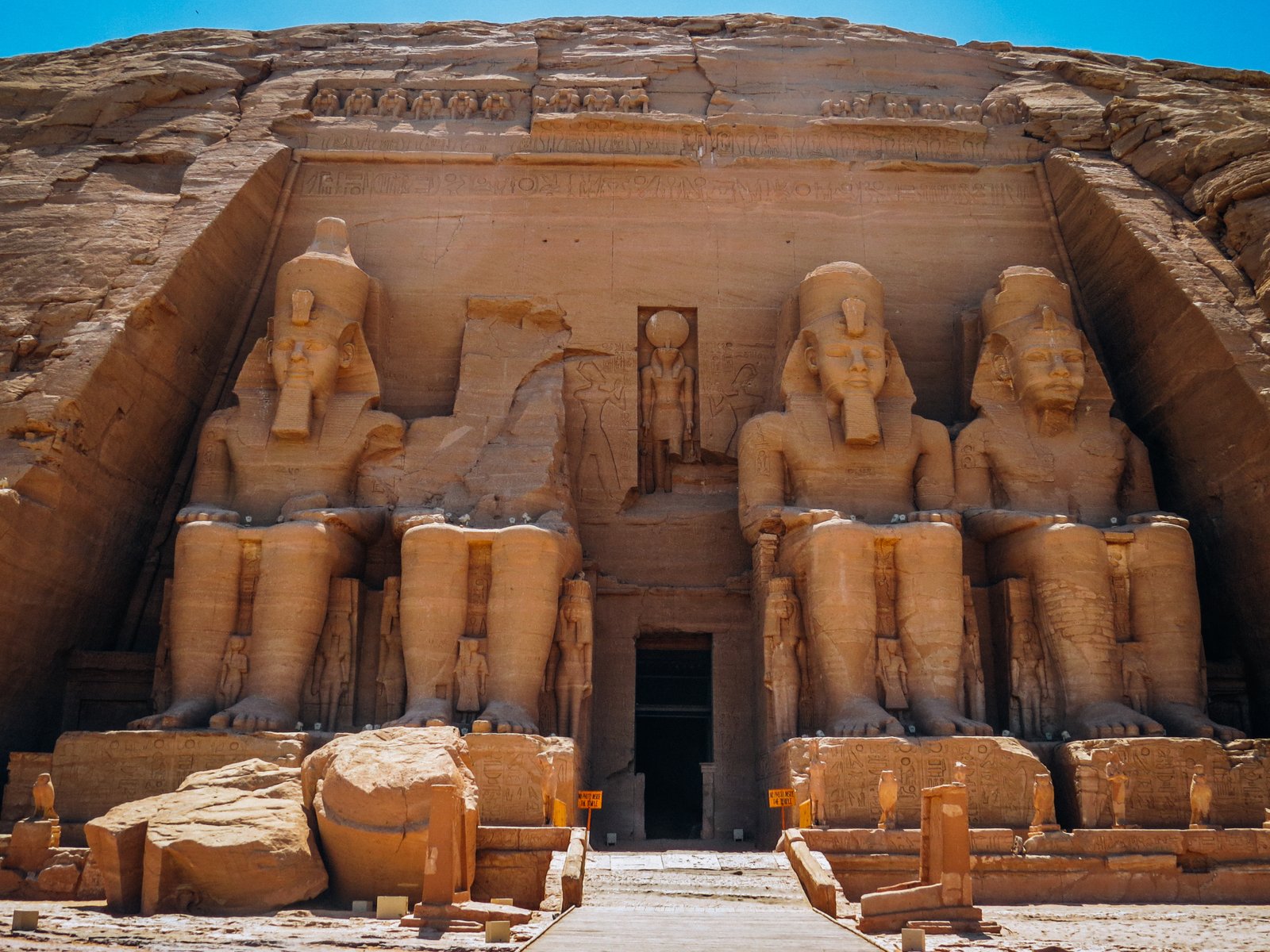
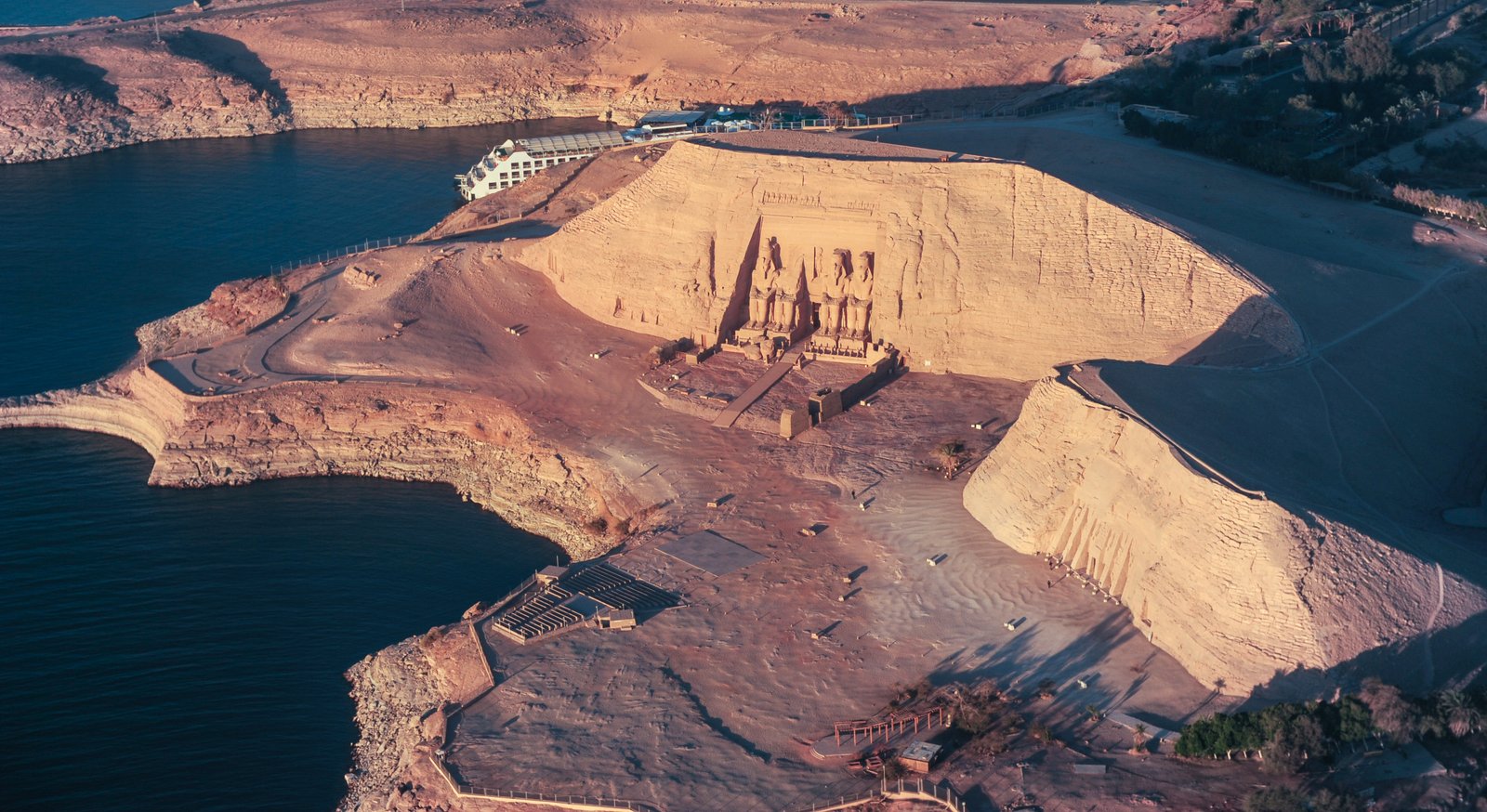
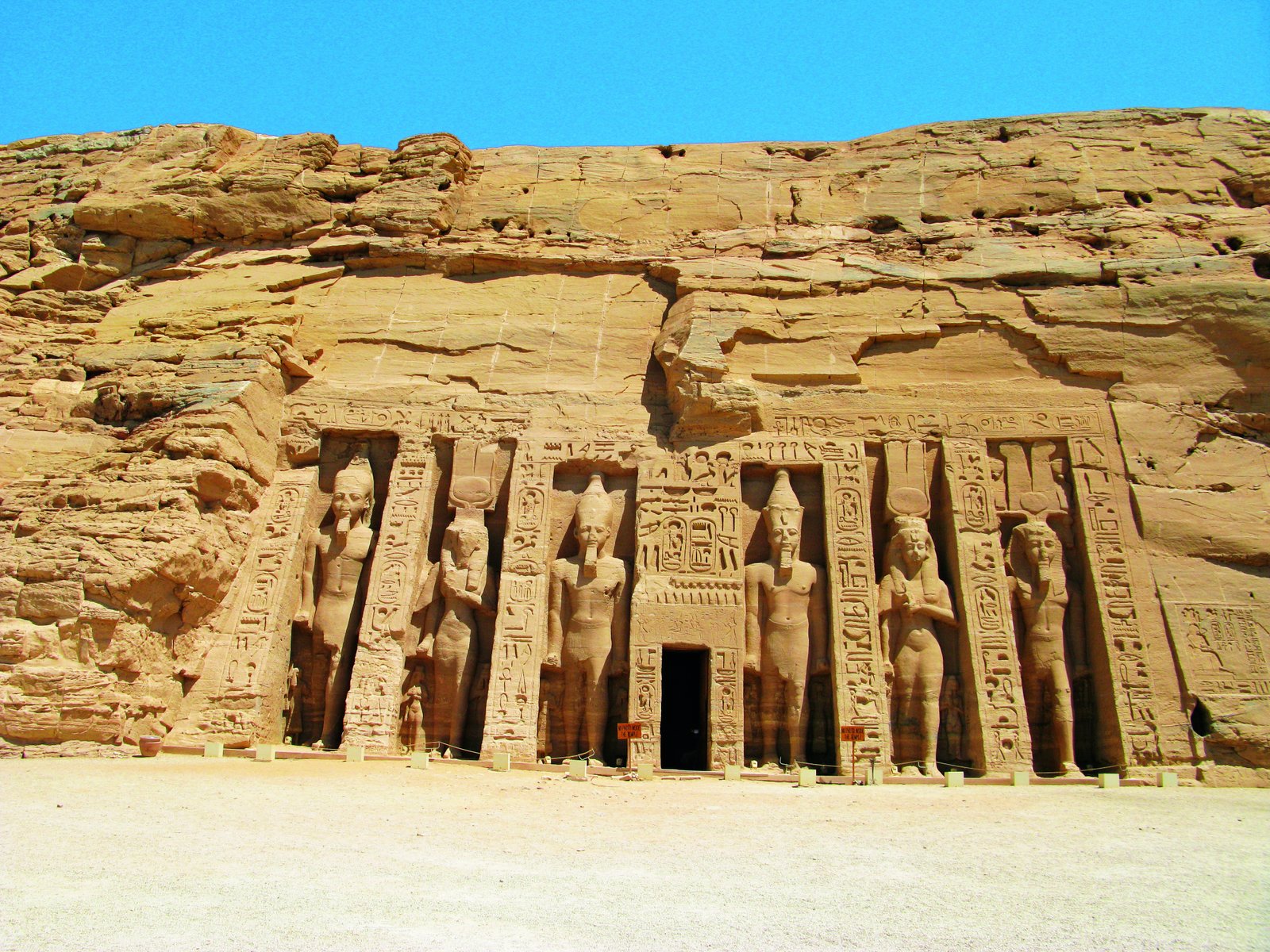
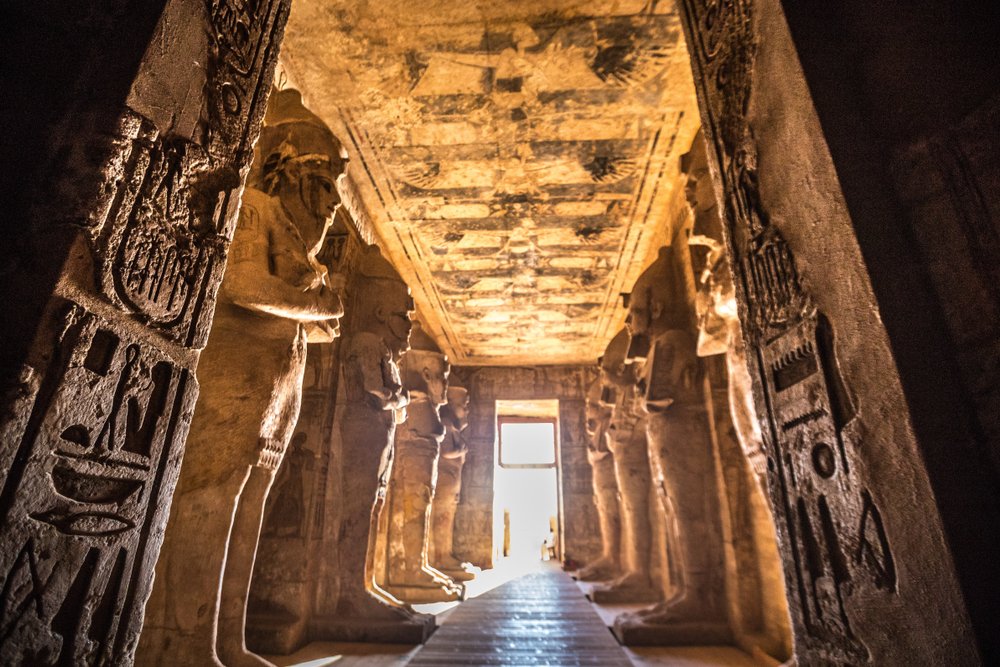
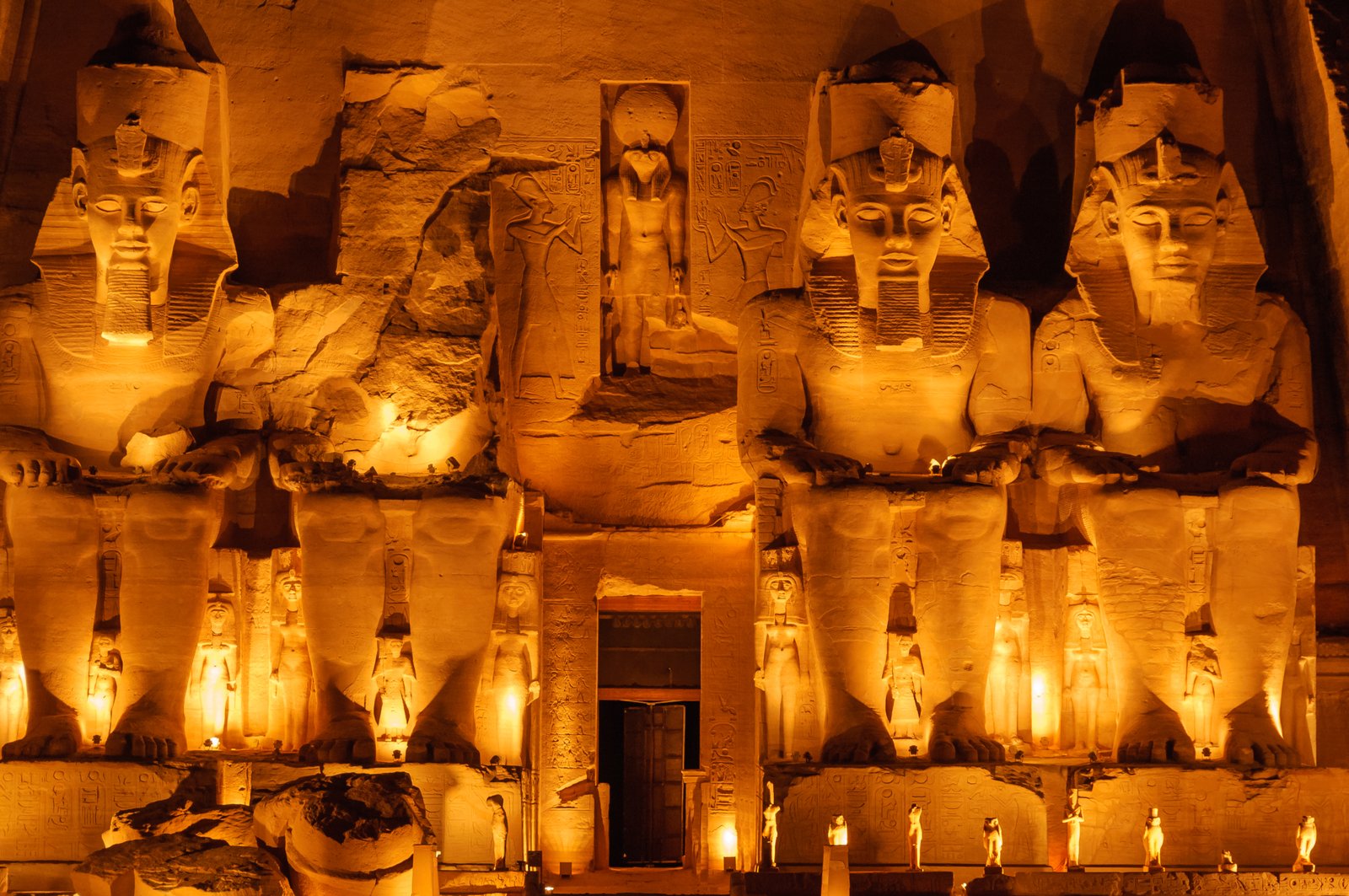
Abu Simbelأبو سمبلRamses II's colossal rock temples, with the sun reaching the sanctuary twice a year. →
The Unfinished Obeliskالمسلة الناقصةIn the granite quarries — had it been raised, it would have been the largest ever. →
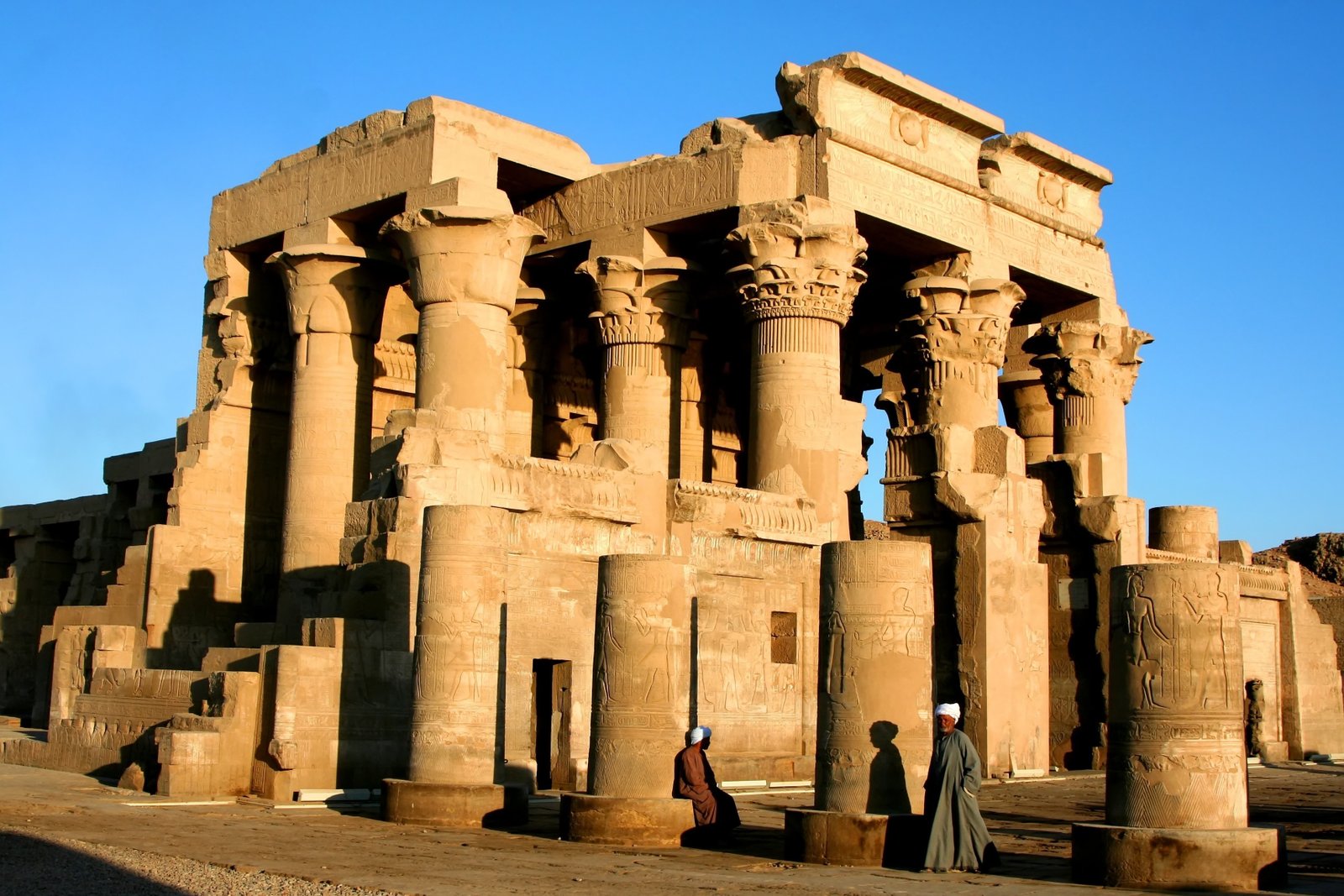
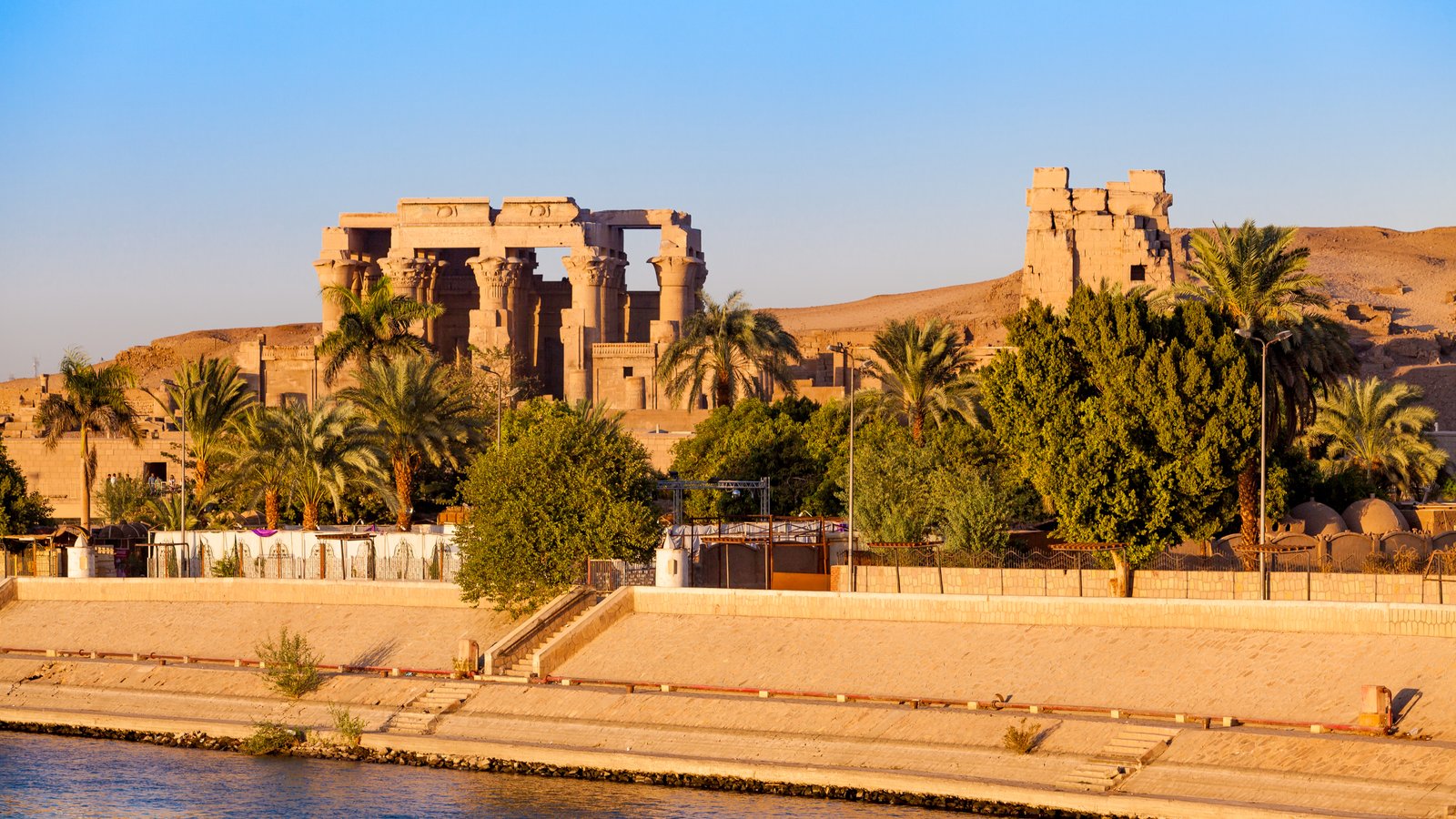
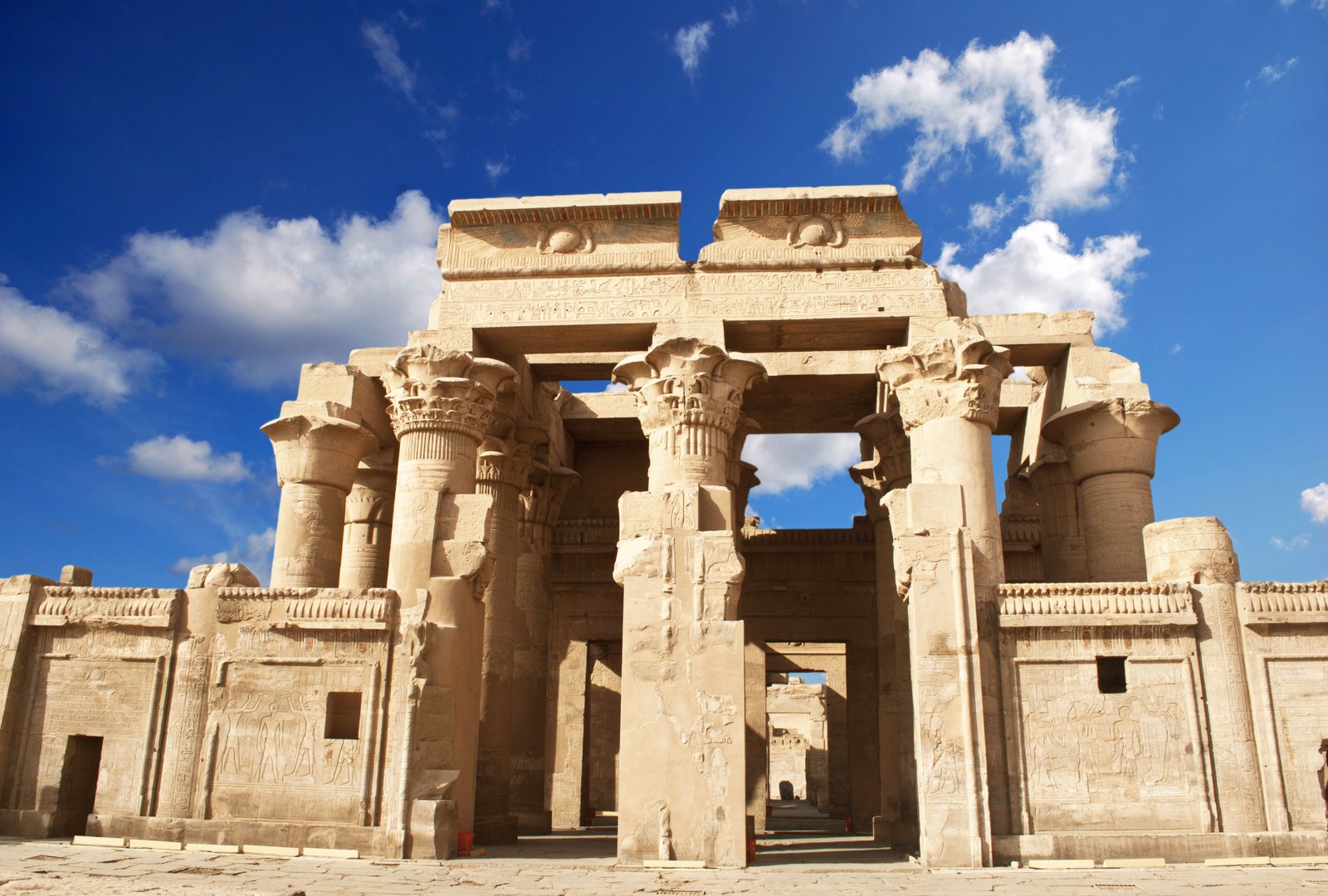
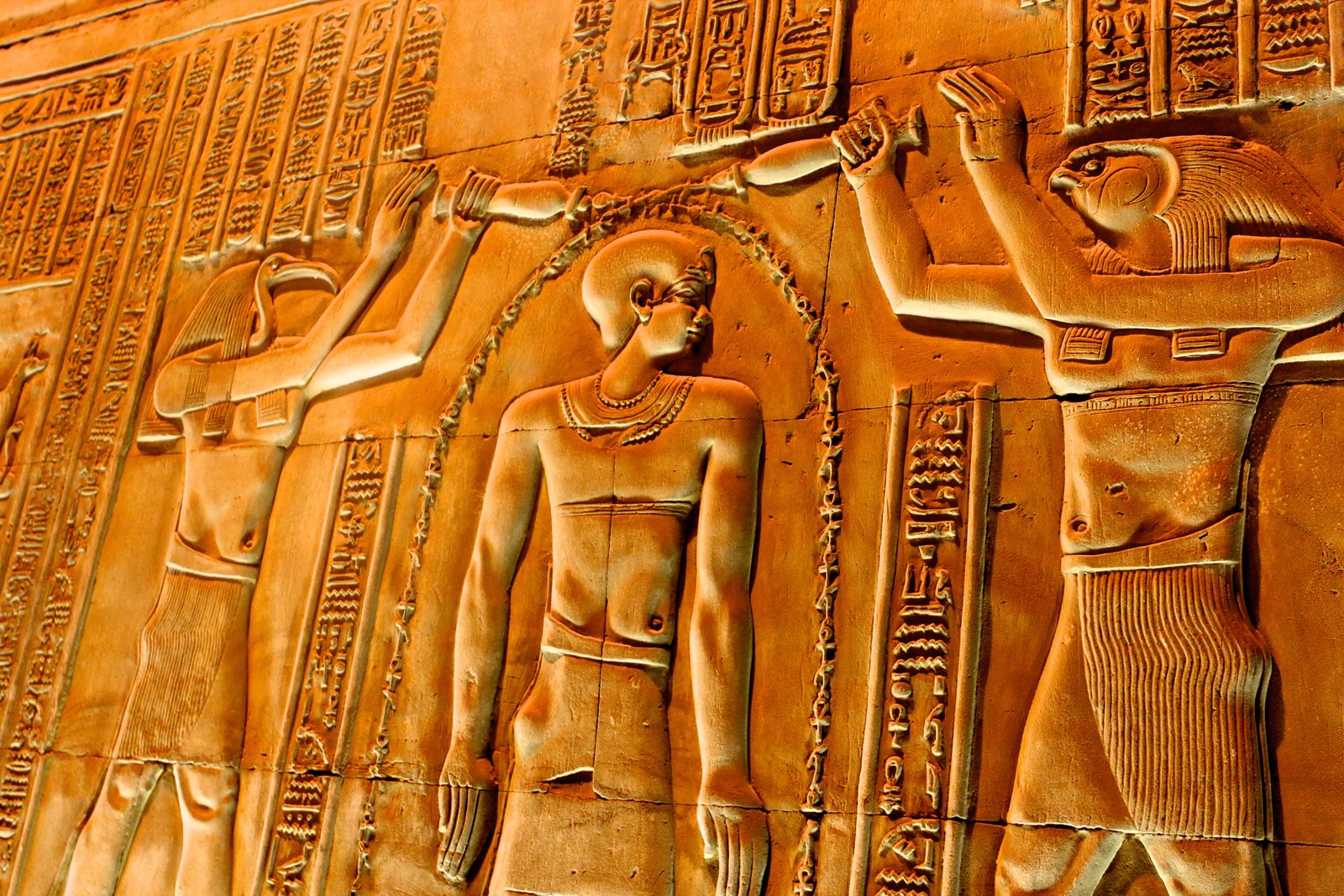
Kom Omboكوم أمبوA rare double temple honoring the gods Sobek and Horus, on the riverbank north of Aswan. →
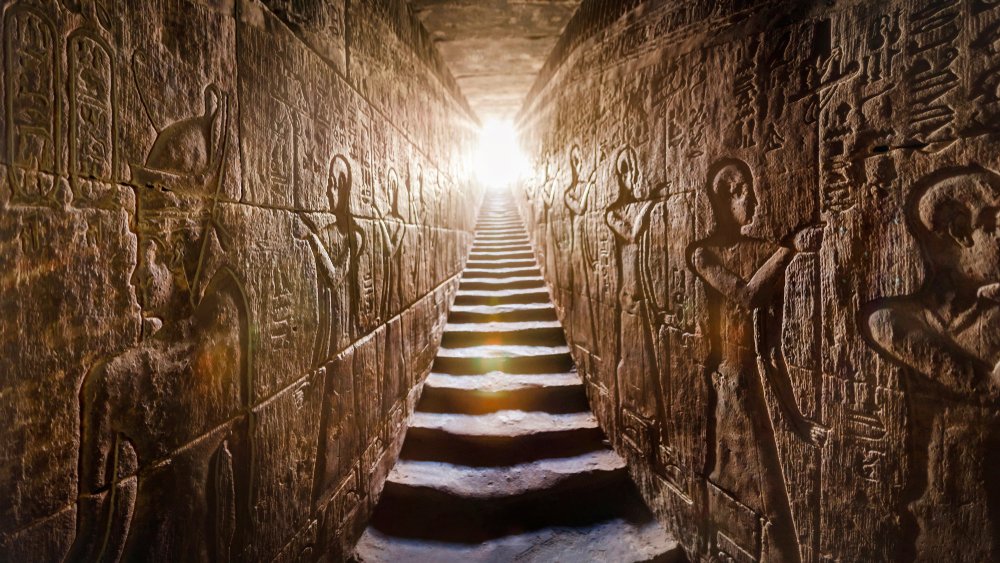
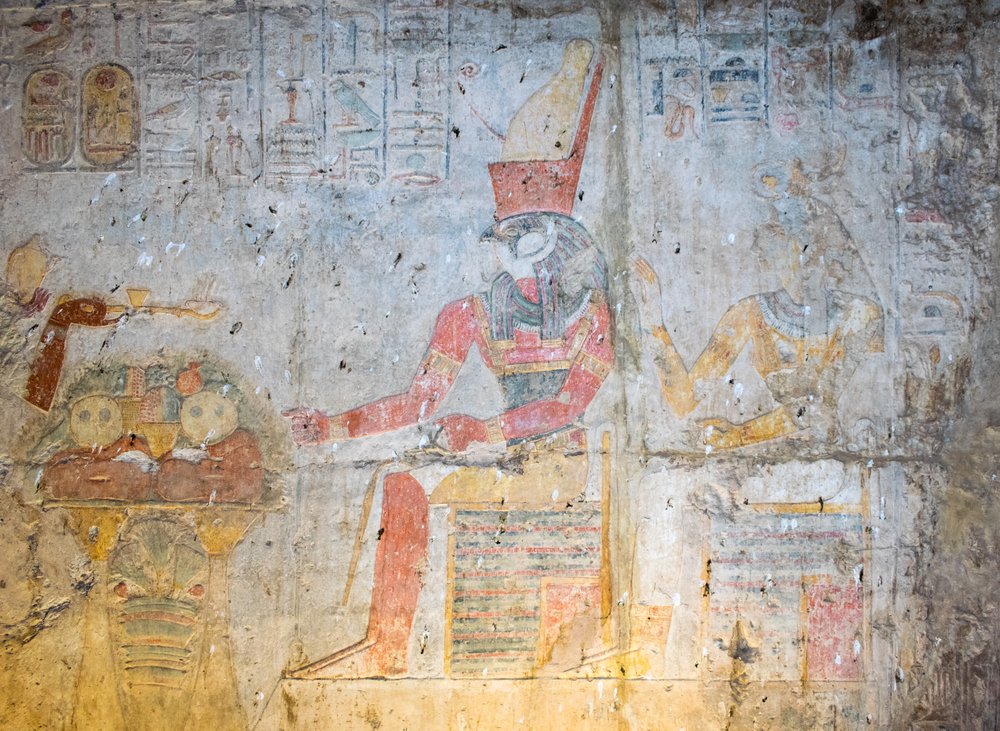
Temple of Edfuمعبد إدفوThe best-preserved temple in Egypt, dedicated to the falcon god Horus. →
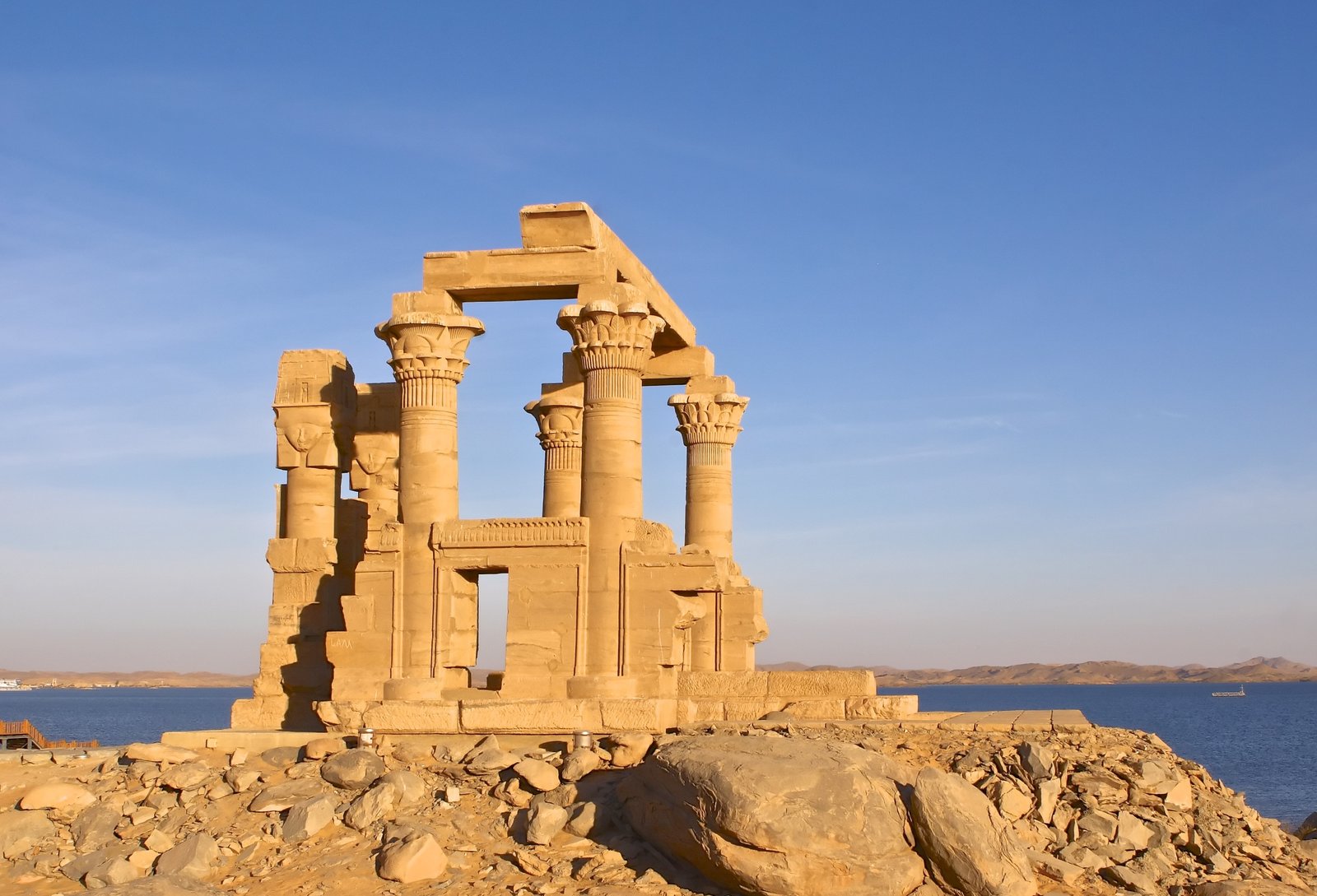
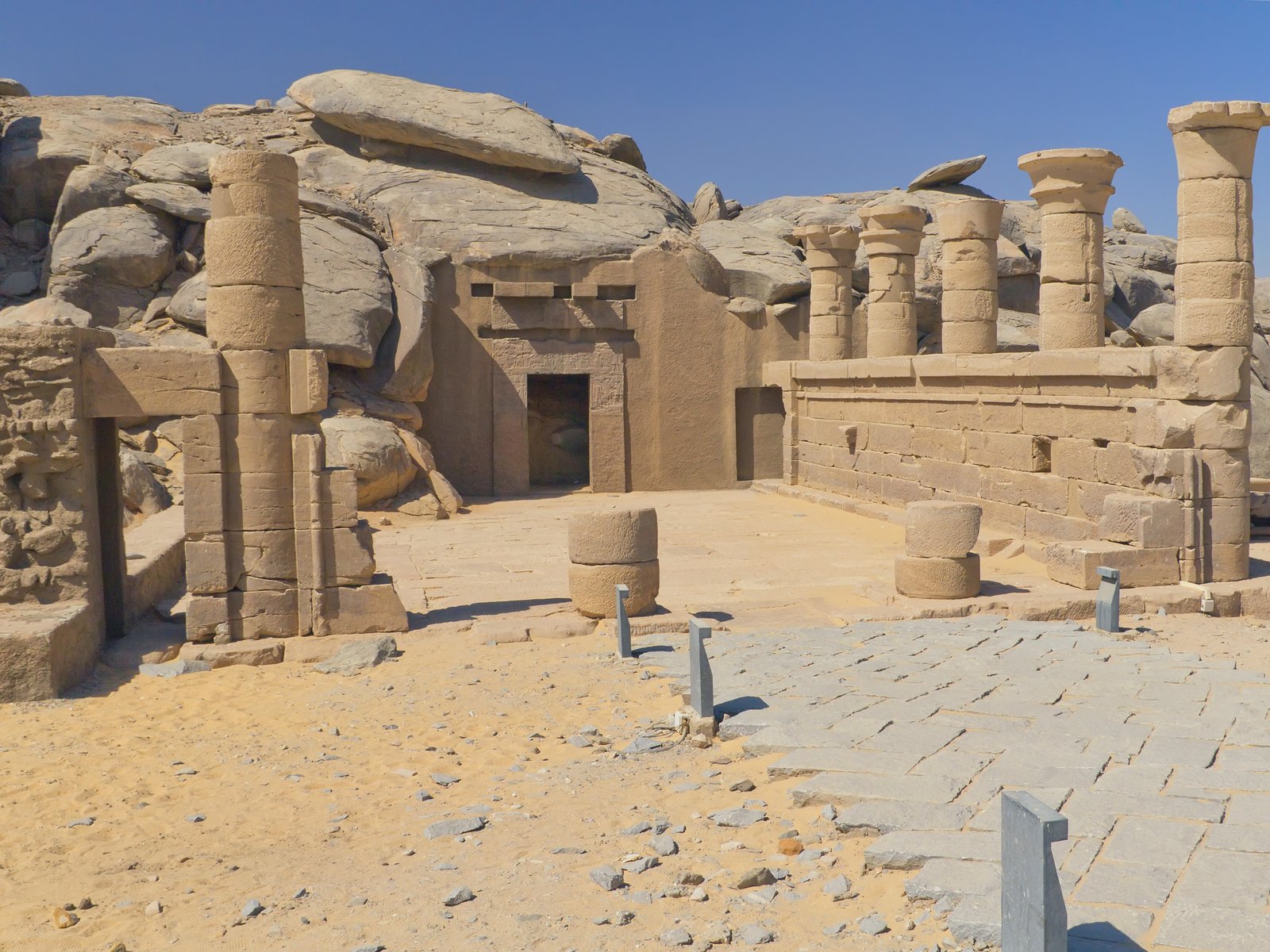
Kalabsha Templeمعبد كلابشةA Nubian temple relocated to higher ground beside the High Dam. →
النهر والتراث
جزر خضراء وأطلال قديمة وثقافة النوبة الحية.Green islands, ancient ruins, and the living culture of the Nubian people.
Ancient Abu, with temple ruins, a Nilometer, and a welcoming Nubian village. →
Kitchener's Islandجزيرة النباتاتA lush botanical garden of exotic plants from across the world. →
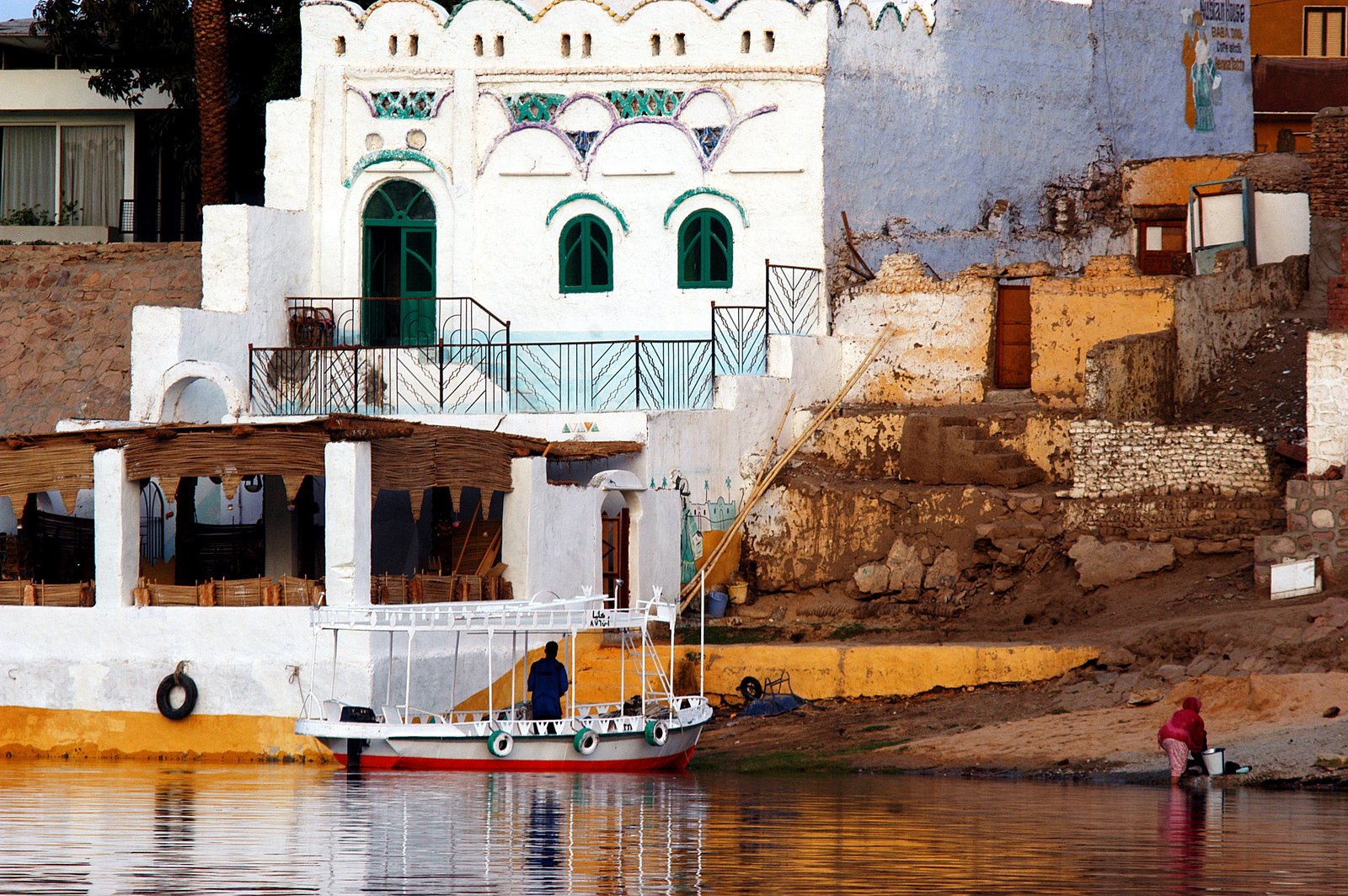
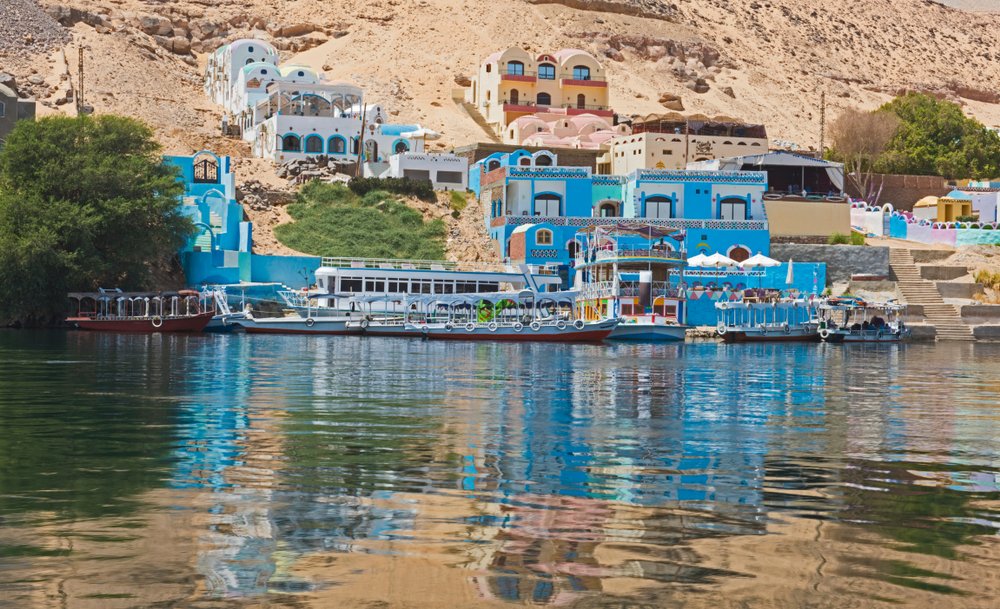
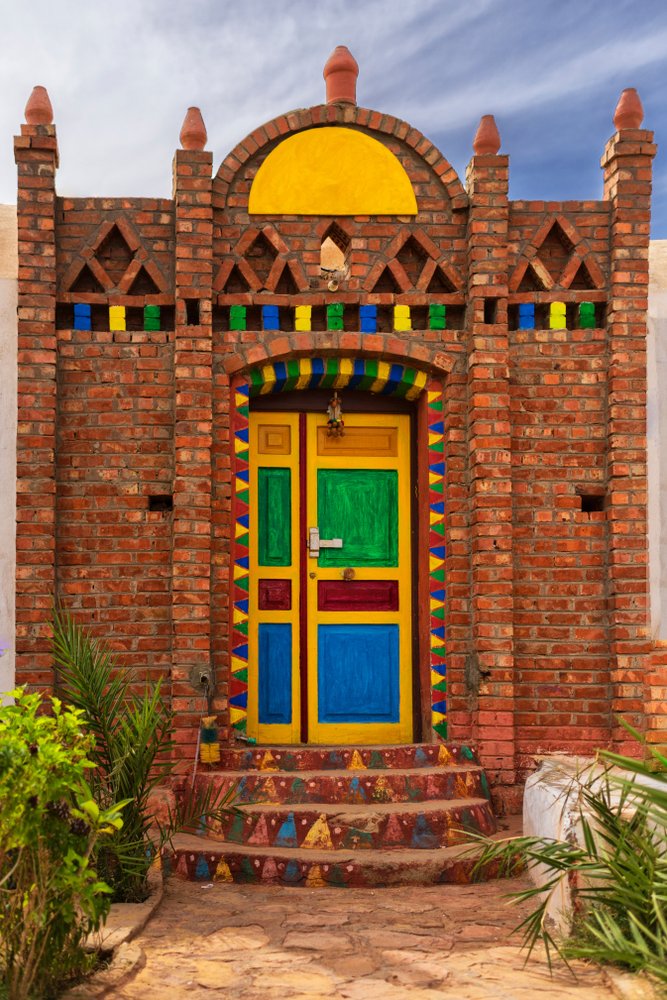
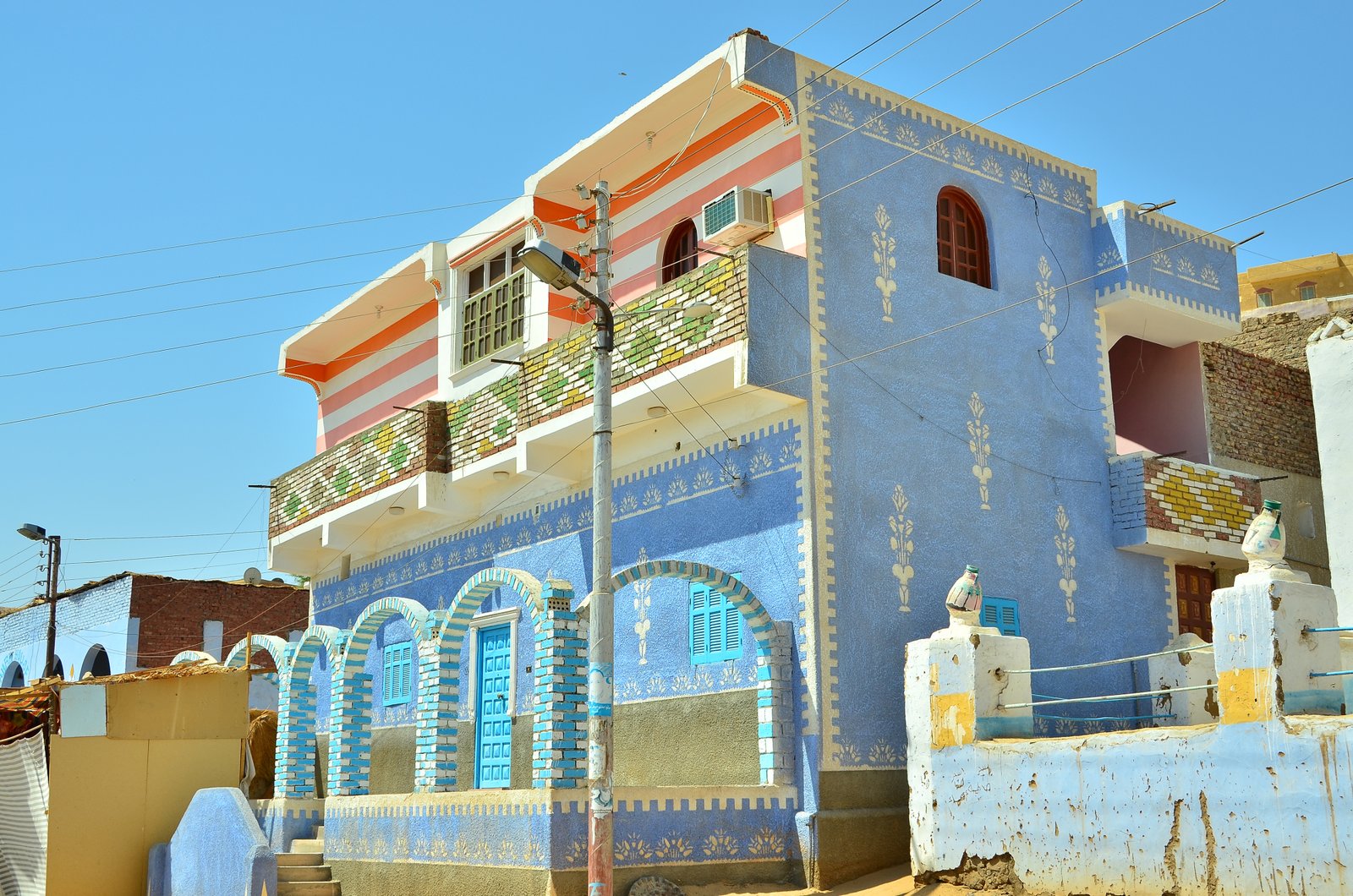
Nubian Villagesالقرى النوبيةVivid, hand-painted houses and warm hospitality at Gharb Soheil. →
The Nubian Museumمتحف النوبةAn award-winning museum tracing thousands of years of Nubian heritage. →
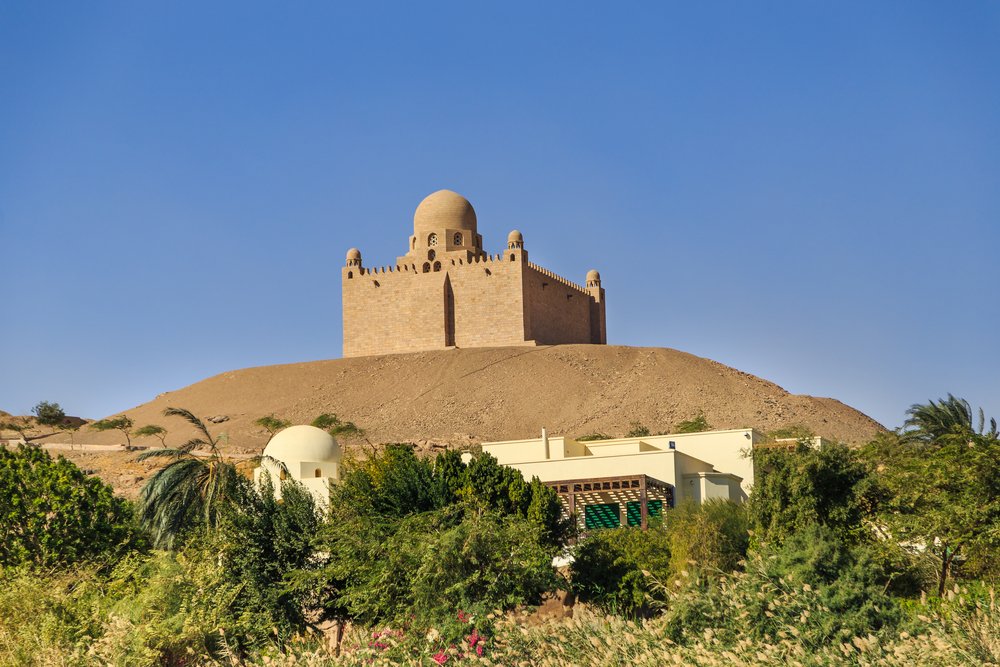
Tombs of the Noblesمقابر النبلاءRock-cut tombs of Aswan's governors high on the west bank at Qubbet el-Hawa. →
Monastery of St Simeonدير الأنبا هدراA ruined desert monastery reached by camel across the dunes. →
تجارب
تُكتشف أسوان على مهل — بالشراع وعلى الماء وعلى ضوء المصابيح.Aswan rewards a slow pace — by sail, by water, and by lamplight.
Sail among the islands in a traditional boat as the sun sets over the dunes. →
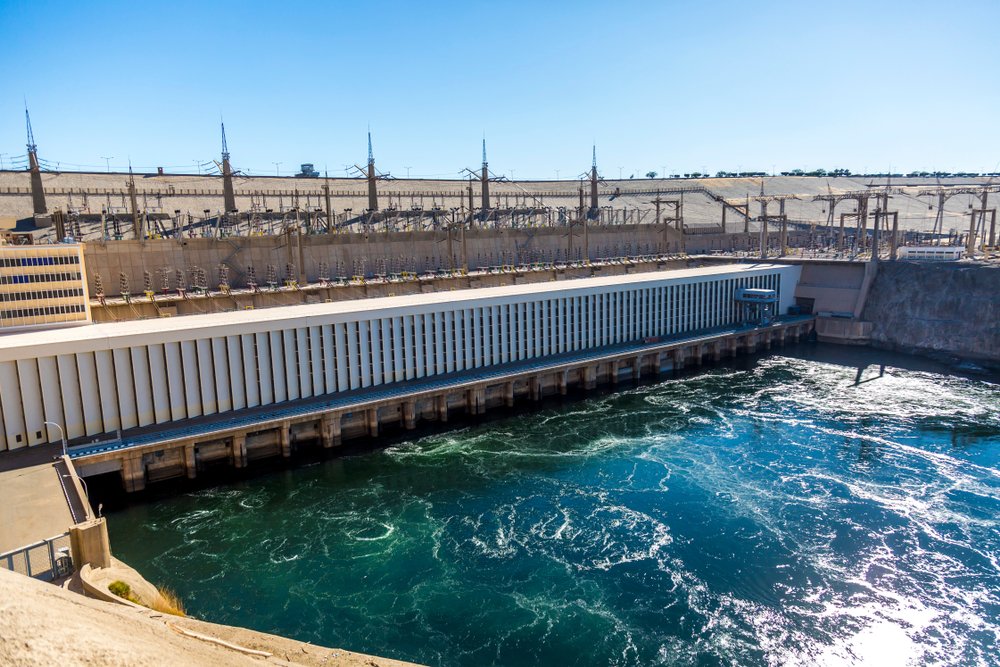
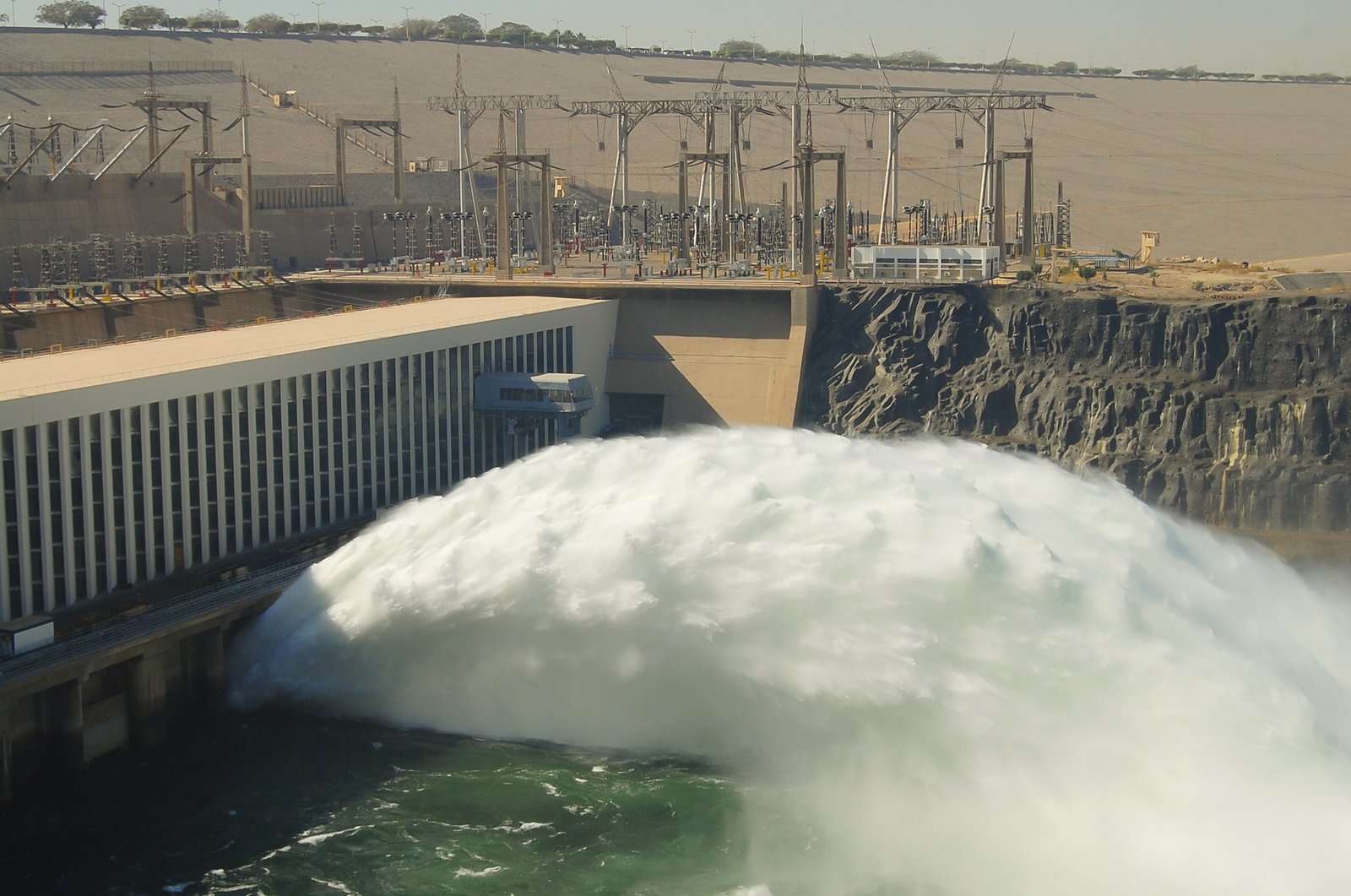
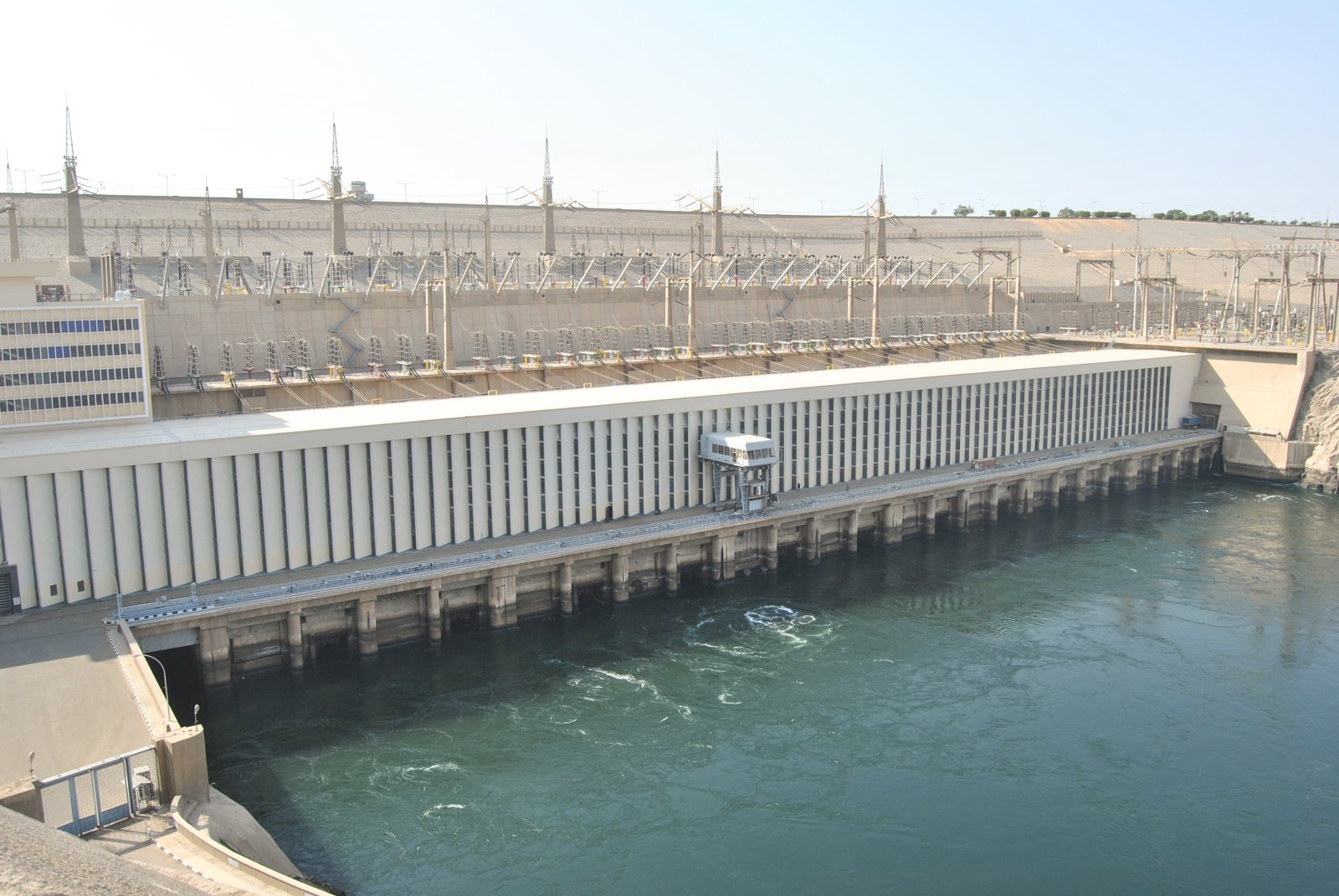
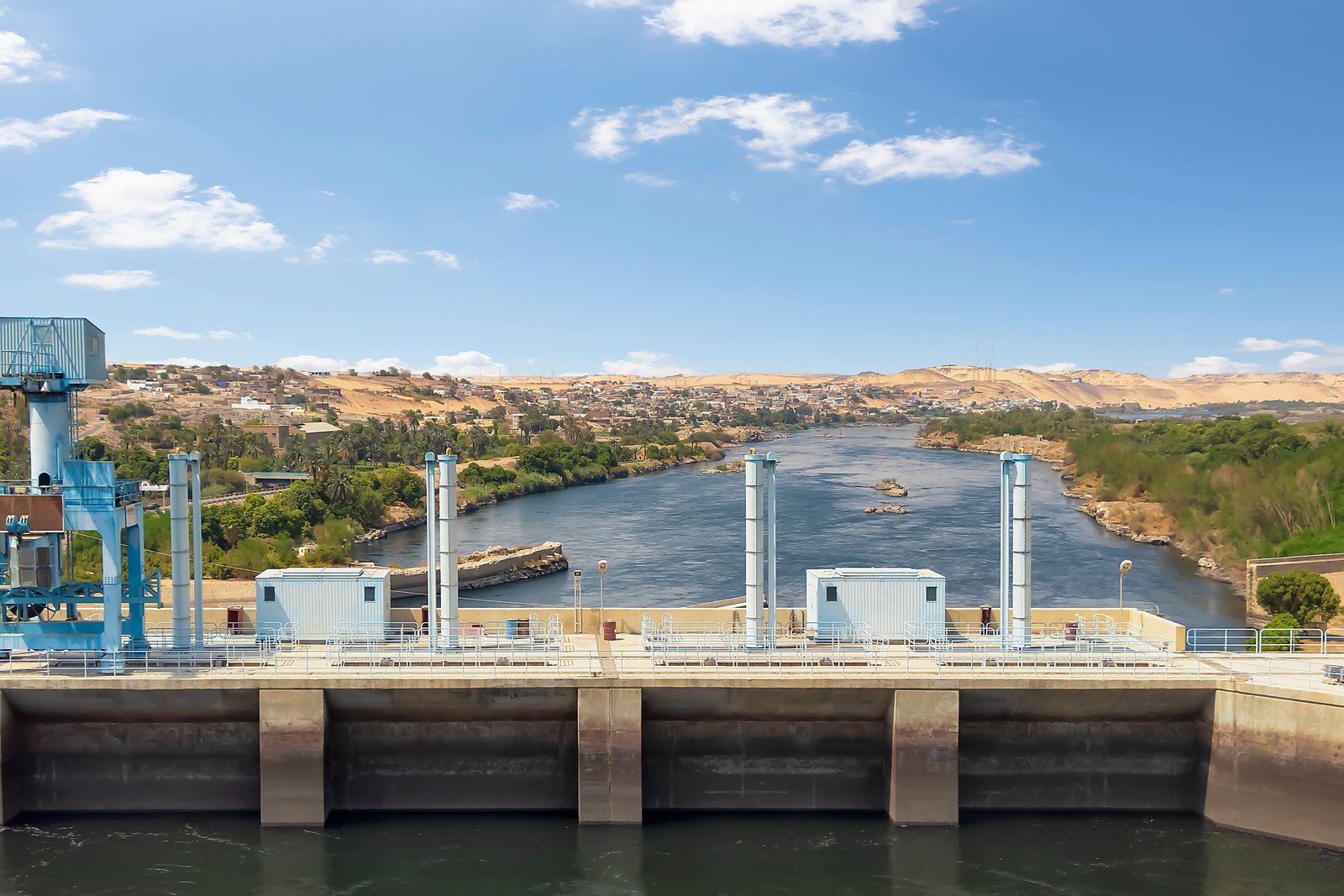
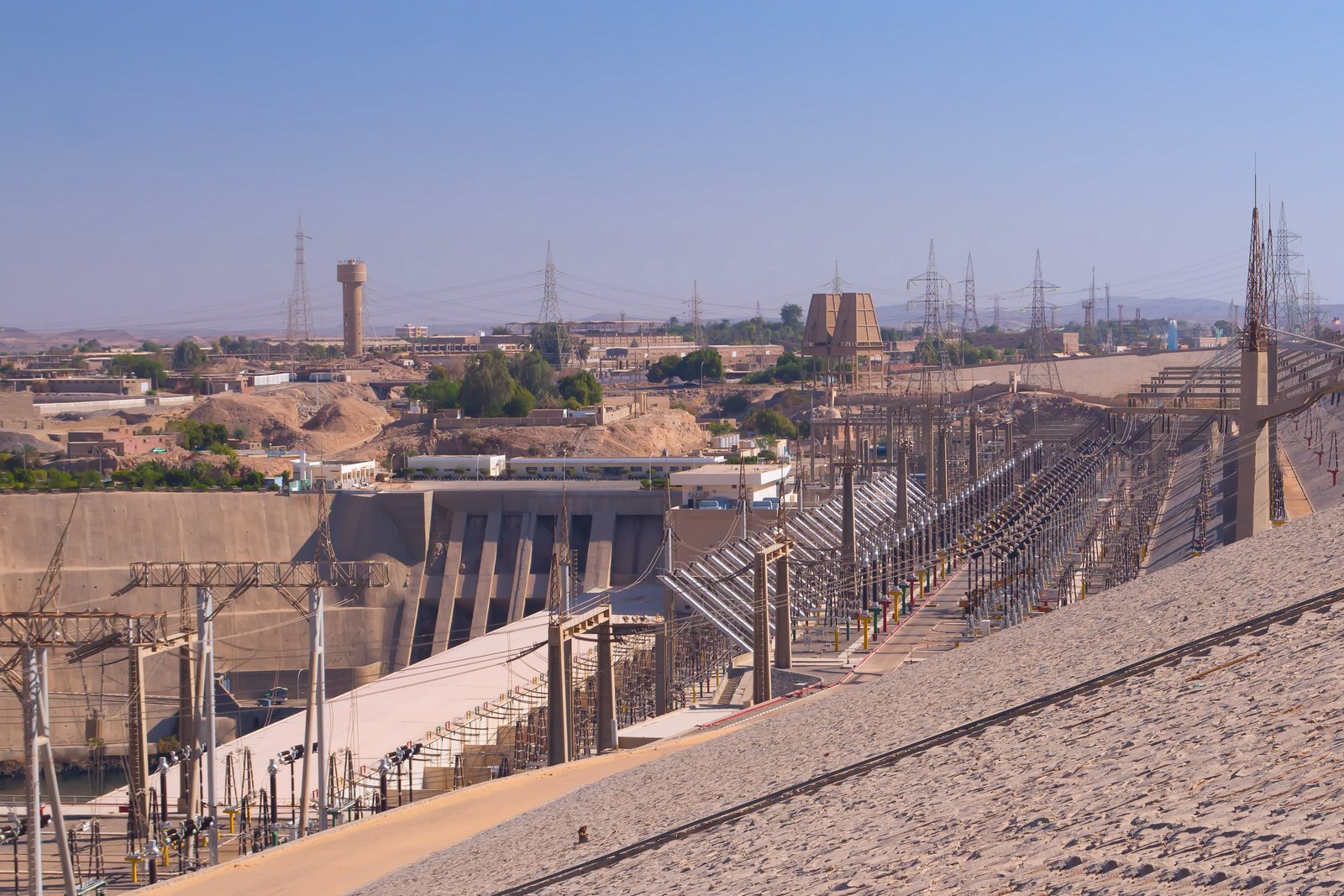
Aswan High Damالسد العاليThe 1970s engineering feat that tamed the Nile and created Lake Nasser. →
Lake Nasser Cruiseرحلة بحيرة ناصرA serene cruise past remote rescued temples toward Abu Simbel. →
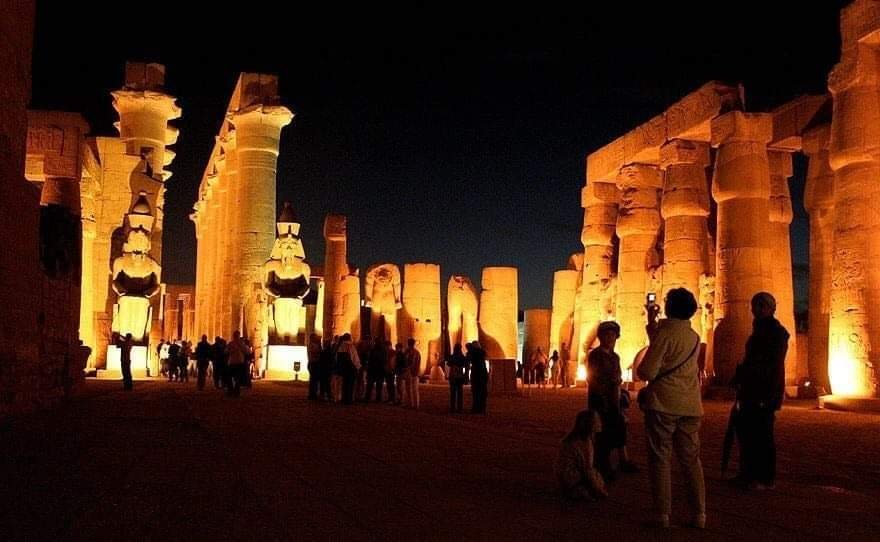
Philae Sound & Lightالصوت والضوء بفيلةAn evening show that lights up the island temple of Isis. →
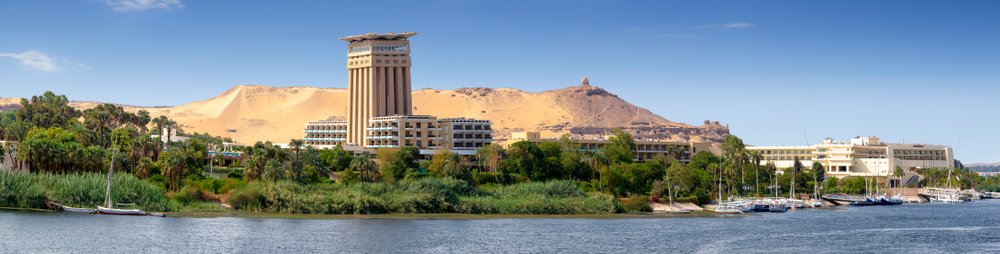
The Old Cataract Hotelفندق أولد كتراكتA Victorian Nile-side landmark (1899) that inspired Agatha Christie. →
Nile Cruise to Luxorرحلة نيلية إلى الأقصرSail north past Kom Ombo and Edfu on the classic river journey. →
معلومات مفيدة
Aswan lies about 900 km south of Cairo — Egypt's sunny southern frontier and the heart of Nubian culture — reached by a short flight, the sleeper train, or a Nile cruise from Luxor. The cooler months (October–April) are most comfortable; summers are intensely hot. Abu Simbel is a further ~280 km south, where the rising sun reaches the inner sanctuary on two mornings each year (around 22 February and 22 October).
واصل الاستكشاف
Book ahead · skip the line
Philae Temple, felucca sails on the Nile, and early-morning Abu Simbel day trips — with hotel pickup and guides.
Before you go · قبل السفر