Home / Egyptian Culture / Ful Medames
Ful Medamesفول مدمس
Slow-cooked fava beans with oil, lemon, garlic, and cumin — the heart of the Egyptian breakfast.فول مدمس مطهوّ على نار هادئة مع الزيت والليمون والثوم والكمّون — قلب الإفطار المصري.
Home / Egyptian Culture / Ful Medames
Slow-cooked fava beans with oil, lemon, garlic, and cumin — the heart of the Egyptian breakfast.فول مدمس مطهوّ على نار هادئة مع الزيت والليمون والثوم والكمّون — قلب الإفطار المصري.
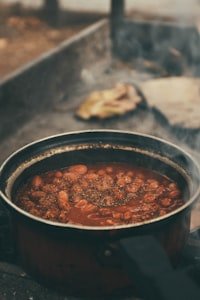
Ful medames — slow-simmered fava beans dressed with olive oil, lemon, garlic, and cumin — is the everyday heart of the Egyptian breakfast and one of the country's national dishes. Humble, cheap, filling, and meat-free, a bowl of "ful" (beans) is sold from carts and cafés on every street and ladled out of tall metal pots at dawn. It is comfort food that has nourished Egyptians for thousands of years.
الفول المدمس — فول مطهوّ ببطء ومتبّل بزيت الزيتون والليمون والثوم والكمّون — هو قلب الإفطار المصري اليومي وأحد أطباق مصر الوطنية. بسيط ورخيص ومُشبع وخالٍ من اللحم، ويُباع من العربات والمقاهي في كل شارع ويُغرف من القدور المعدنية الطويلة عند الفجر. إنه طعام دافئ غذّى المصريين آلاف السنين.
Ancient Roots · جذور قديمة
Buried in embers since Pharaonic times.مدفون في الجمر منذ زمن الفراعنة.
Fava beans have been grown in the Nile Valley since ancient times, and ful is often said to date back to Pharaonic Egypt; the dish is even mentioned in writings from the fourth century. Its name tells the story: ful means "beans" in Arabic, while medames (or mudammas) comes from a Coptic word meaning "buried." Traditionally, a pot of beans and water was buried in hot coals or embers and left to cook slowly overnight, ready to be eaten at breakfast — exactly as it still is today.
How It’s Made · الطريقة
Long, gentle cooking is the whole secret.الطهي الطويل الهادئ هو كل السرّ.
The method is simple but slow. Dried fava beans are soaked, then simmered for hours — traditionally overnight in a tall, narrow copper or metal pot (the idra or damassa) so they turn meltingly soft and creamy. At serving time the beans are lightly mashed and dressed at the table with olive oil, lemon juice, crushed garlic, cumin, and salt. From there everyone builds their own bowl with toppings: chopped tomato and onion, parsley, a drizzle of tahini, a sprinkle of chilli, and very often a hard-boiled or fried egg on the side. It's scooped up with warm aish baladi (Egyptian flatbread).
On the Table · على المائدة
Street carts, home tables, and Ramadan suhoor.عربات الشارع وموائد البيوت وسحور رمضان.
Ful is, above all, a breakfast — though Egyptians happily eat it at any hour. Street vendors and tiny cafés serve it from dawn, and it is a cornerstone of suhoor, the pre-dawn meal during Ramadan, because it keeps you full through a long fasting day. Paired with ta'ameya (Egyptian falafel), it forms the classic duo ful wa ta'ameya. Nutritious and protein-rich, it has spread far beyond Egypt to become a staple across the Middle East, North Africa, and the Horn of Africa — but Egyptians consider it unmistakably their own.
Quick Facts · حقائق سريعة